


Why Managing Access Is About More Than Unlocking a Charger
As electric vehicle adoption grows, charging stations are becoming some of the most valuable parking assets on a property. But one question quickly becomes more important than simply installing chargers:
Who should actually be allowed to use them?
Should charging stations be reserved exclusively for residents? Can guests charge? Should employees receive priority during business hours? What about fleet vehicles? Can the general public access chargers overnight?
These aren’t questions about electricity. They’re questions about parking operations.
That’s why EV Charging Access Control has become an essential part of successful EV Parking Operations.
Modern access control isn’t simply about unlocking a charger. It’s about determining who can use a charging space, when they can use it, under what conditions, and how those decisions support the property’s operational goals.
What Is EV Charging Access Control?
EV Charging Access Control is the process of determining who is authorized to access EV charging spaces and under what conditions.
A complete access strategy manages far more than charger authentication.
It also considers:
- User type
- Parking eligibility
- Time of day
- Reservations
- Property policies
- Parking permits
- Visitor access
- Charging priority
Successful charging programs coordinate both the charger and the parking space associated with it.
This is one reason EV parking is more complex than installing EV chargers.
Charger Authentication vs. Parking Access
Many charging platforms focus on authentication.
Examples include:
- Mobile apps
- RFID cards
- QR codes
- Driver accounts
- Payment verification
These tools answer one question: Can this person activate the charger?
But they don’t necessarily answer another, equally important question: Should this vehicle be parked here?
Parking access requires operational context.
For example:
- Does the driver have a reservation?
- Is the vehicle authorized?
- Is this charger reserved for residents?
- Has charging already finished?
- Is another driver waiting?
Charging authentication manages electricity. Parking access manages the parking space. Both are necessary.
Different Users Need Different Access
Not every charging station should operate the same way. Different properties often establish different access rules based on who is using the chargers.
Examples include:
Residents
Apartment communities may prioritize residents because charging at home is often their primary charging option.
Employees
Office buildings may allow employee charging only during business hours while encouraging charger turnover throughout the day.
Guests
Hotels and multifamily communities may allow guest charging only after registration or during specific hours.
Fleet Vehicles
Fleet operations often prioritize charging based on operational schedules rather than first-come, first-served availability.
Public Users
Some organizations intentionally open chargers to the public during periods of low demand while reserving them for tenants during peak periods.
The objective isn’t equal access. It’s appropriate access.
Access Changes Throughout the Day
Access control isn’t only about who can charge. It’s also about when.
Properties frequently establish different rules based on:
- Business hours
- Overnight charging
- Peak demand
- Weekends
- Holidays
- Fleet schedules
A workplace may prioritize employees during business hours while allowing public charging overnight. A hotel may reserve chargers for guests until late evening before opening unused chargers to visitors.
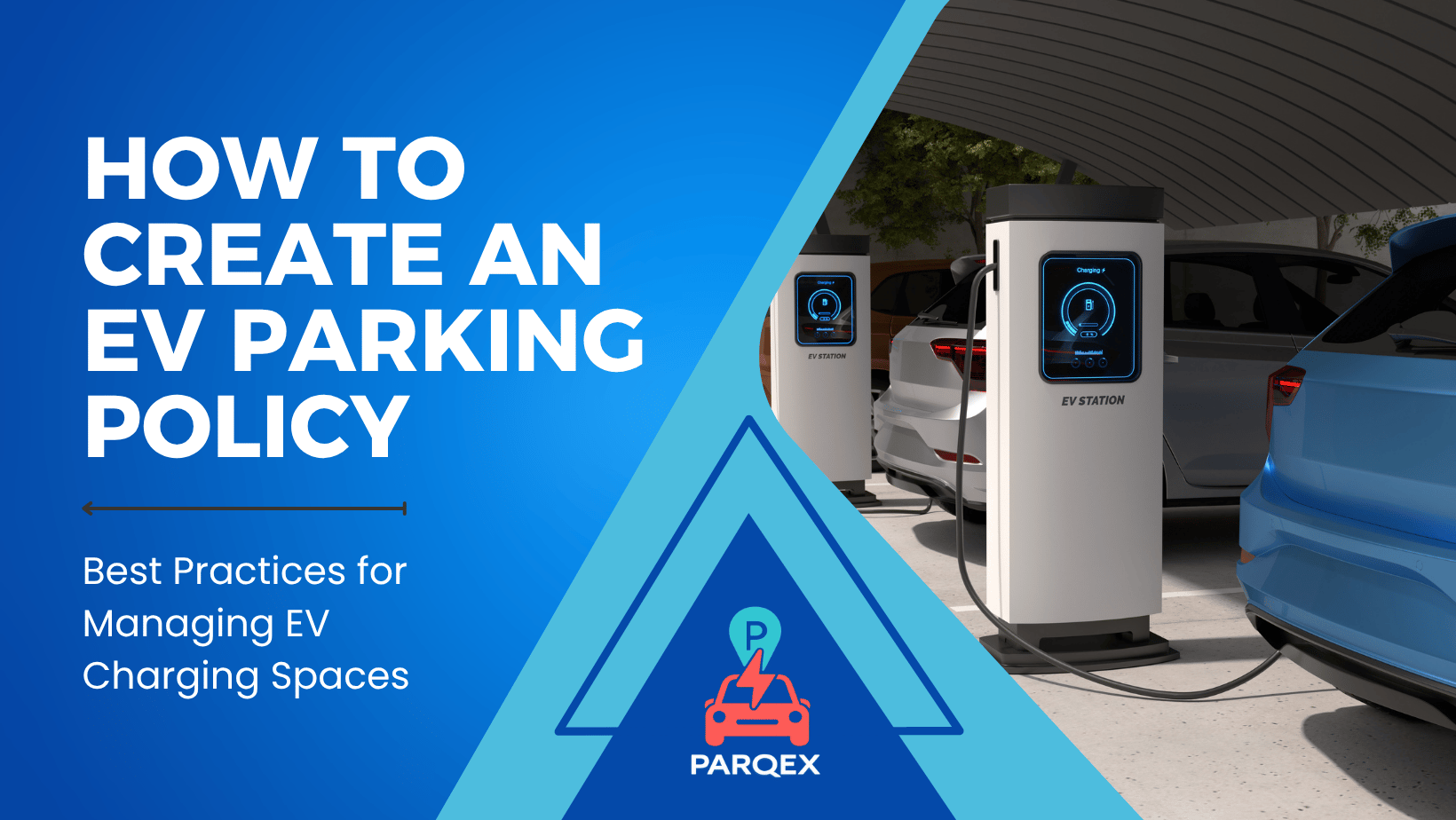
Combining these rules with an EV Parking Policy creates a consistent operational framework that drivers can understand before arriving.
Reservations and Access Work Together
Access policies become significantly more effective when paired with reservations.
A reservation doesn’t simply reserve electricity. It reserves a parking space connected to a charger.
Together, reservations and access policies help properties:
- Prioritize eligible users
- Reduce conflicts
- Improve fairness
- Increase charger turnover
- Better manage limited charging resources
Modern EV Parking Software increasingly combines reservations, policies, notifications, and operational workflows into one coordinated platform.
Parking Permits Still Matter
Many organizations already manage parking permits.
EV charging shouldn’t require an entirely separate operational process. Instead, charging eligibility can often build upon existing parking permissions.
For example:
- Resident permits
- Employee permits
- Visitor permits
- Fleet permits
- Contractor access
Connecting parking authorization with charging access creates a more consistent user experience while reducing administrative complexity.
Visitor Charging Doesn’t Have to Be All or Nothing
Guest charging often creates difficult operational questions.
Should every visitor have access? Only registered guests? Only during certain hours? Should visitors pay more? Can visitors reserve chargers?
Rather than choosing between unrestricted public charging and no visitor access at all, organizations can develop policies that reflect the property’s operational priorities.
Clear EV Parking Policy guidelines help ensure visitors understand those expectations before arriving.
There Is No Single Access Control Solution
One of the biggest misconceptions surrounding EV charging is that access control is solved by a single technology.
In reality, successful charging programs often combine multiple technologies working together.
These may include:
- Mobile credentials
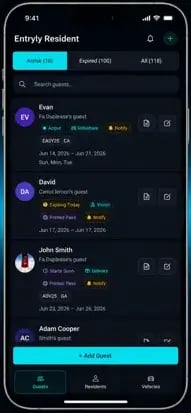
- Digital parking permits
- QR codes
- RFID cards
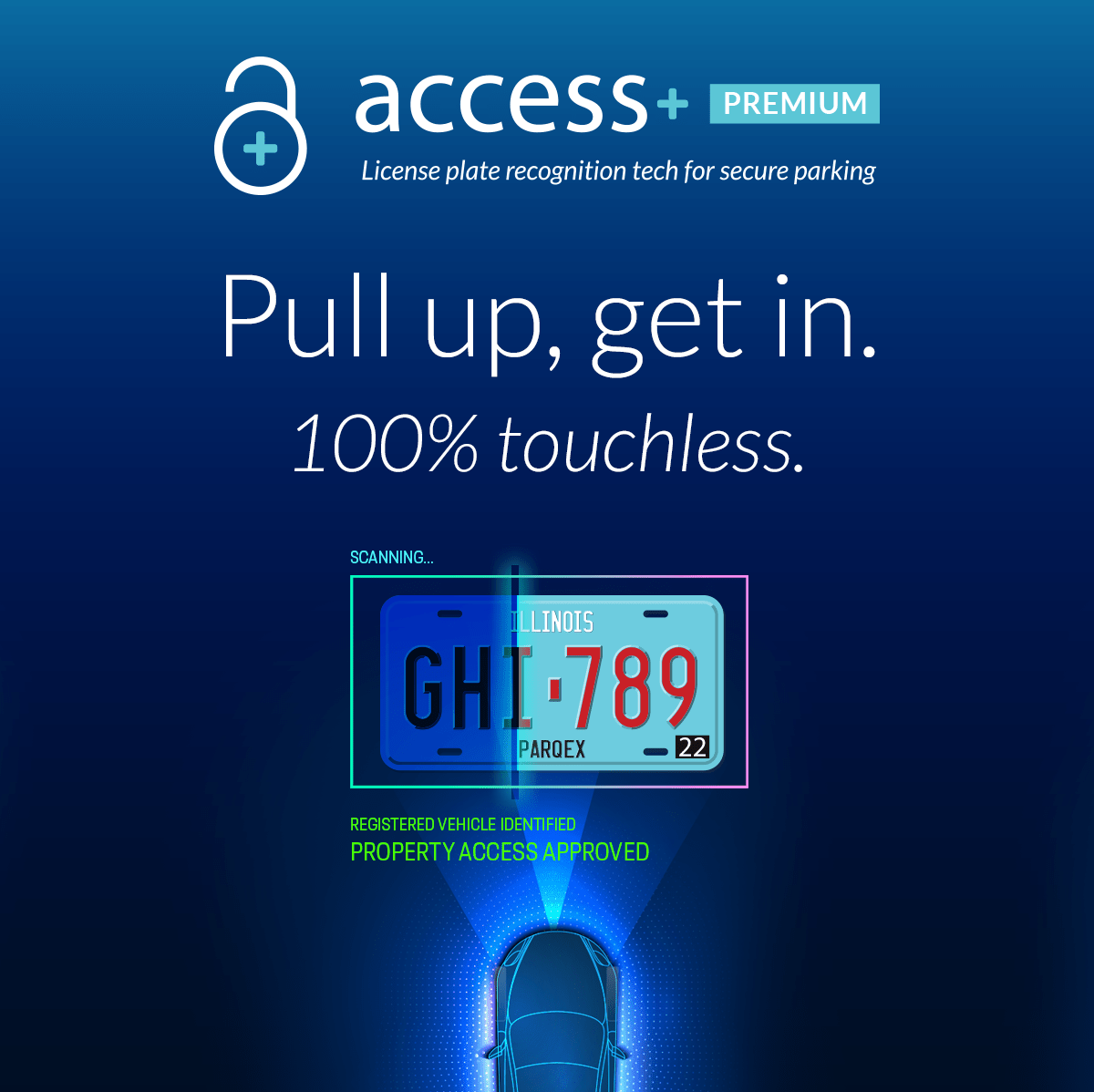
- License Plate Recognition (LPR)
- Reservation systems
- Parking policies
- EV Charging Integration
- Access control platforms
The best solution depends on the property, not the charger.
An apartment community may prioritize digital resident credentials. A commercial office may rely on employee parking permits. A hotel may integrate guest check-in with charging access. A fleet operation may automate charging eligibility based on vehicle schedules.
Successful access control isn’t about choosing one technology. It’s about selecting the right combination of technologies for your operational goals.
Access Requires Enforcement
Access policies only work when they’re enforced.
If an unauthorized vehicle occupies a charger, the software may correctly identify that the driver lacks permission. But someone still needs to manage the parking space.
This is where Parking Management Software and EV Charging Integration become essential.
Together they help properties determine:
- Who should be using the charger
- Whether charging is occurring
- Whether the vehicle is authorized
- Whether parking policies are being followed
Without operational enforcement, access policies quickly lose effectiveness.
Measuring Access Performance
Organizations should evaluate whether access policies are achieving their intended outcomes.
Useful metrics include:
- Authorized charging sessions
- Unauthorized access attempts
- Visitor charging activity
- Reservation fulfillment
- Peak demand by user group
- Charger availability
- Turnover
- User satisfaction
Combined with AI Parking Demand Forecasting, these insights help organizations continually refine access policies as charging demand evolves.
Access Control Is Part of EV Parking Operations
Access control isn’t simply about unlocking chargers. It’s one component of a much larger operational ecosystem.
Successful properties increasingly combine:
- Parking policies
- EV Charging Reservations
- Mobile credentials
- Digital parking permits
- License Plate Recognition (LPR)
- EV Charging Integration
- Notifications
- Analytics
- Automation
Together, these systems help ensure the right drivers have access to the right chargers at the right time.
As EV adoption continues to grow, organizations that view access as an operational workflow not simply a hardware feature will be better positioned to deliver fair, efficient, and scalable charging experiences.
Because successful EV charging isn’t just about who can activate a charger. It’s about who should have access to the parking space surrounding it.