




Why Understanding EV Charging Requires More Than Charger Data
As electric vehicle adoption grows, organizations have access to more charging data than ever before.
Most EV charging platforms provide dashboards showing:
- Charging sessions
- Energy consumption
- Charger status
- Revenue
- Electricity costs
- Charger uptime
These metrics are valuable. But they only tell part of the story. They explain what happened at the charger. They don’t explain what happened in the parking lot.
Questions such as:
- Why couldn’t a resident find an available charger?
- Why are chargers always occupied but rarely charging?
- Why are reservations constantly full?
- Why do unauthorized vehicles keep using charging spaces?
- Why do drivers complain even though utilization appears low?
These aren’t electrical questions. They’re parking questions. That’s why successful EV Parking Operations require analytics that go beyond charging hardware.
Charging data tells you what happened electrically. Parking data tells you what happened operationally. Together, they provide a complete picture of how an EV charging program is performing.
What Are EV Charging Analytics?
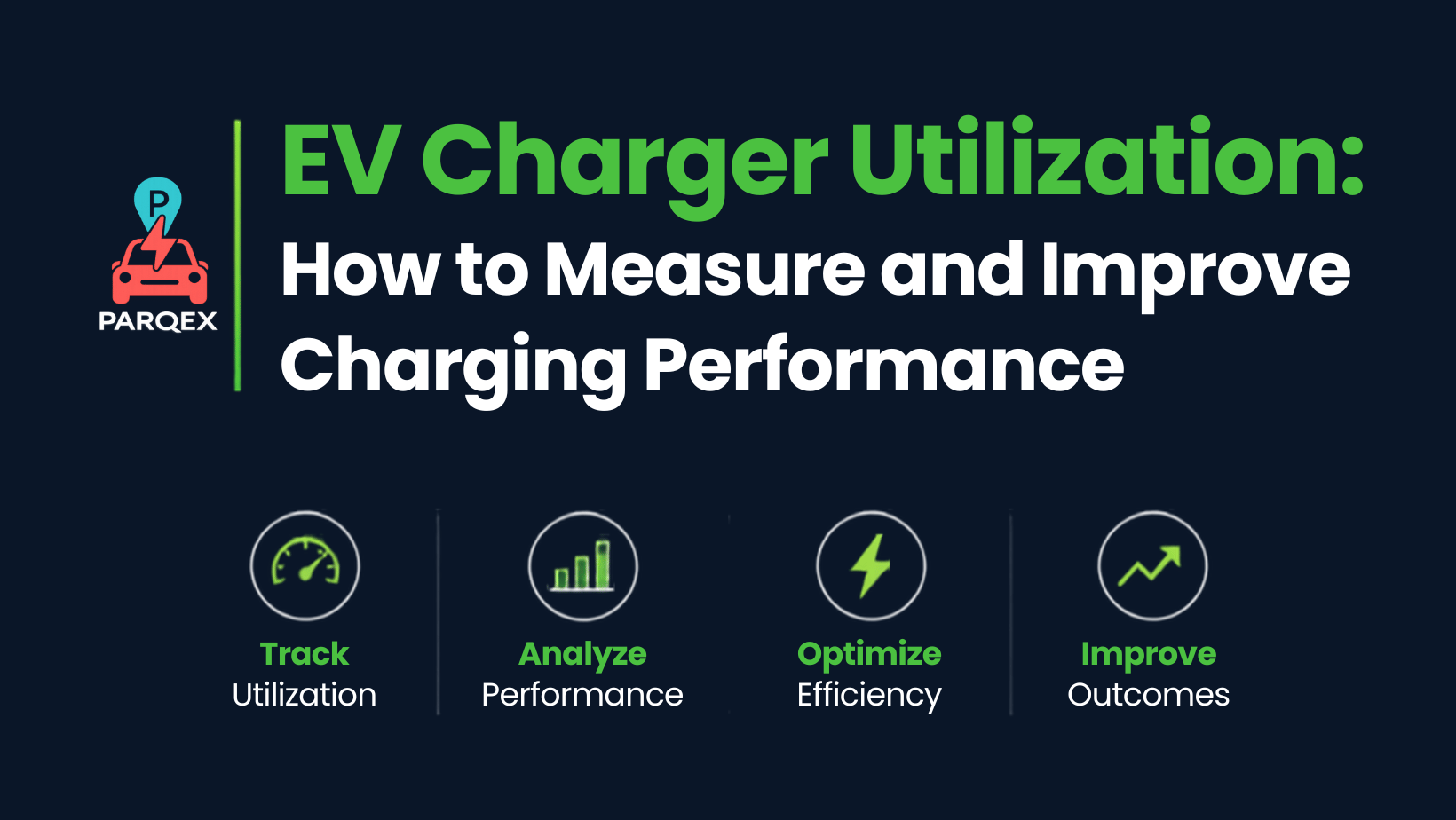
EV Charging Analytics measure the performance of EV charging infrastructure.
Most charging platforms report metrics such as:
- Energy delivered (kWh)
- Number of charging sessions
- Charging duration
- Charger uptime
- Charger availability
- Electricity costs
- Charging revenue
- Power consumption
These metrics help organizations understand how charging hardware is performing. But they don’t explain how charging spaces are being managed. For that, organizations need parking analytics.
Charging Data vs. Parking Data
Charging data and parking data answer different questions.
Charging platforms measure:
- Energy delivered
- Charging session duration
- Charger health
- Hardware status
- Electricity costs
- Charging revenue
- Network connectivity
These metrics explain the charging session.
Parking operations measure:
- Occupancy
- Idle occupancy
- Charger turnover
- Reservation activity
- Reservation no-shows
- Unauthorized parking
- Parking compliance
- Access patterns
- Peak parking demand
- Parking revenue
These metrics explain everything surrounding the charging session. Neither tells the complete story on its own. Together, they provide the operational visibility organizations need to improve charging performance.
Occupancy Doesn’t Always Mean Charging
One of the biggest misconceptions in EV charging is that occupied chargers are actively charging vehicles. Often they aren’t. A vehicle may remain parked for hours after charging has completed.
Without parking analytics, organizations may believe chargers are fully utilized when much of that time is actually idle occupancy.
This is one reason EV parking is more complex than installing EV chargers. Charging ends. Parking continues. Understanding both is essential.
Idle Occupancy Reveals Hidden Capacity
Idle occupancy measures how long charging spaces remain occupied after charging has already finished. This metric is frequently overlooked. Yet it can reveal significant operational opportunities.
Reducing idle occupancy may:
- Improve charger availability
- Increase charger turnover
- Reduce congestion
- Delay expensive infrastructure expansion
- Improve driver satisfaction
Many properties don’t actually need additional chargers. They need better operational visibility.
Reservations Tell a Different Story
EV Charging Reservation analytics reveal how drivers interact with charging infrastructure before charging even begins.
Useful reservation metrics include:
- Reservation utilization
- No-show rates
- Reservation fulfillment
- Waitlist activity
- Peak reservation periods
- Average reservation duration
These metrics help organizations understand whether charging demand is being distributed effectively across available infrastructure.
Compliance Metrics Matter
Successful EV charging depends on more than completed charging sessions.
Properties should also monitor:
- Unauthorized vehicles
- Reservation violations
- Charging-complete overstays
- Vehicles parked without charging
- Visitor charging activity
- Permit compliance
These metrics reveal operational challenges that charger dashboards typically cannot detect. Combined with Parking Management Software, compliance analytics help organizations improve both policy enforcement and charger availability.
Peak Parking Demand Is Different Than Peak Charging Demand
Charging demand and parking demand don’t always occur at the same time.
For example:
- An office building may experience charging sessions throughout the workday while parking demand peaks shortly after employees arrive.
- A multifamily property may experience heavy charging demand overnight while parking occupancy remains consistently high.
- Hotels experience different demand patterns around check-in, overnight stays, and departures.
Understanding these patterns helps organizations make better operational decisions.
Access Patterns Improve Operational Planning
Not every user accesses charging infrastructure in the same way.
Organizations should understand:
- Resident charging behavior
- Employee charging schedules
- Visitor usage
- Fleet charging activity
- Public charging demand
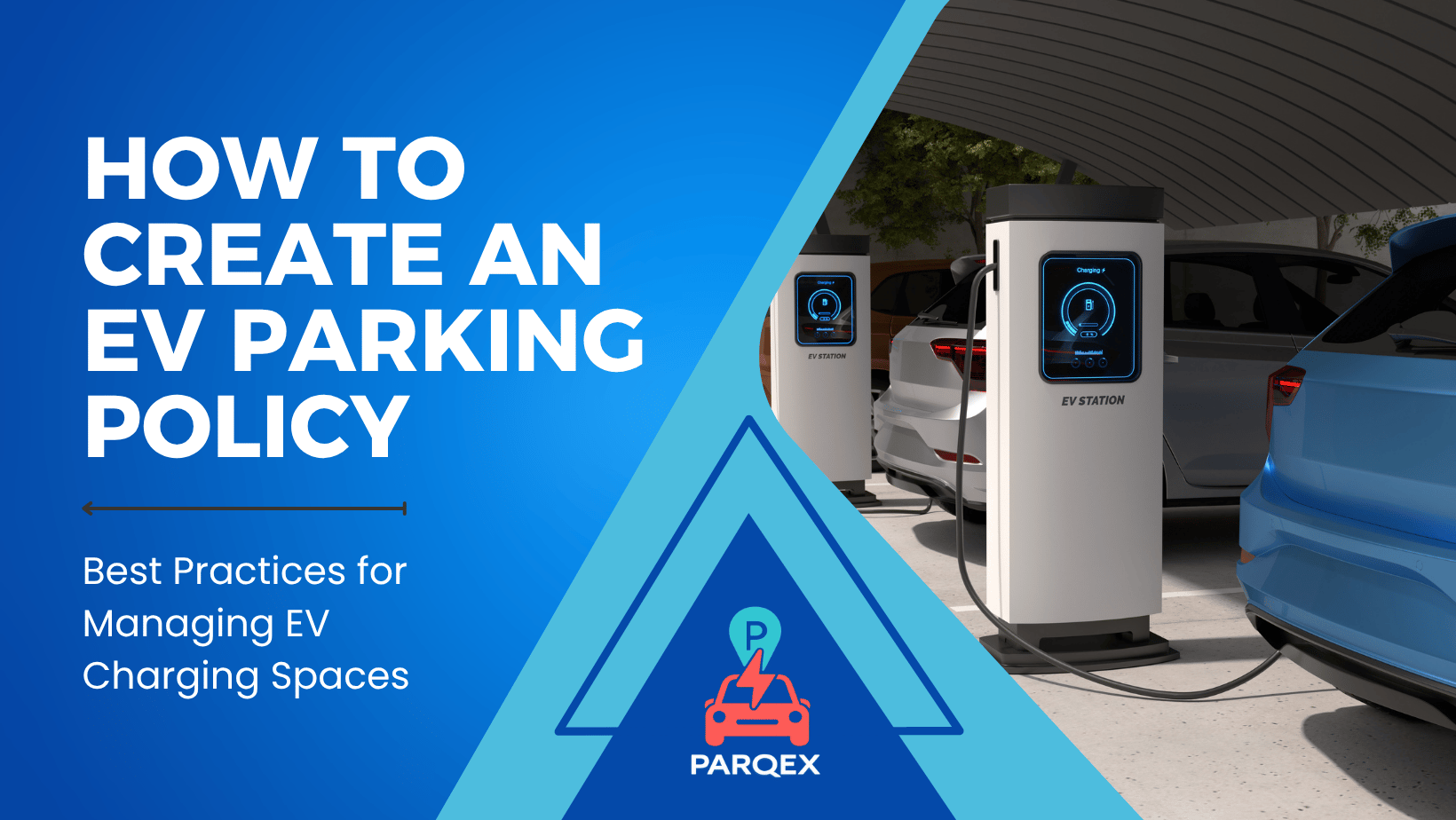
Combined with EV Parking Policy, these insights help organizations determine whether access rules continue to support operational goals.
Parking Revenue Is Part of the Story
Many charging dashboards report charging revenue. That’s useful. But organizations also need to understand the broader financial performance of parking operations.
Questions include:
- Which chargers generate the most parking revenue?
- Which locations experience the highest demand?
- How do idle vehicles affect revenue?
- How much additional revenue could improved turnover generate?
Operational analytics help organizations maximize the value of both charging infrastructure and parking assets.
Properties interested in estimating the financial impact of operational improvements can also explore the Parking Revenue Guide & Calculator.
AI Turns Analytics Into Better Decisions
Collecting data is only the beginning. Artificial intelligence helps organizations recognize patterns that may not be immediately obvious.
Using AI Parking Demand Forecasting, organizations can identify:
- Future charging demand
- Peak congestion
- Seasonal changes
- Reservation trends
- Capacity constraints
- Infrastructure expansion opportunities
Rather than reacting to operational problems after they occur, AI helps properties prepare for future demand before it creates congestion.
Analytics Should Drive Action
The best analytics don’t simply create dashboards. They improve decisions.
For example:
- High idle occupancy may indicate the need for better parking policies.
- High reservation no-show rates may suggest adjustments to grace periods.
- Frequent unauthorized parking may indicate additional enforcement is needed.
- Low charger turnover may reveal opportunities to improve operational workflows.
Data only creates value when it leads to action.
The Parking Metrics Most Charging Dashboards Miss
Charging dashboards are excellent at measuring electricity. Parking operations require a broader perspective.
Organizations that combine charging data with parking analytics gain insight into:
- Occupancy
- Idle occupancy
- Reservations
- Compliance
- Access
- Turnover
- Demand
- Revenue
- Driver behavior
This operational visibility allows organizations to improve charger availability, increase efficiency, and deliver a better charging experience without immediately expanding infrastructure.
Because charger data tells you what happened electrically. Parking data tells you what happened operationally. The future of EV charging depends on understanding both.