


Why Successful EV Charging Requires EV Parking Enforcement
Installing EV chargers is only the first step toward a successful charging program. Once chargers become available, organizations face an entirely new operational challenge.
How do you ensure charging spaces remain available for the drivers who actually need them? What happens when someone parks in a charging space without plugging in? How should a property respond when a charging session has already finished but the vehicle remains parked? What if someone occupies a reserved charging space before its authorized user arrives?
These aren’t charging problems. They’re parking problems.
That’s why EV Parking Enforcement has become an essential part of modern EV Parking Operations.
Rather than focusing on electricity, EV Parking Enforcement ensures charging spaces remain available, compliant, and fairly managed through policies, validation, automation, and enforcement.
As EV adoption continues to accelerate, effective enforcement will become just as important as the charging infrastructure itself.
What Is EV Charging Enforcement?
EV Charging Enforcement is the process of ensuring EV charging spaces are used according to established parking policies.
This includes identifying violations, validating charging activity, enforcing reservations, managing overstays, and ensuring charging spaces remain available for authorized users.
Unlike traditional parking enforcement, EV charging enforcement requires understanding both the parking space and the charging session.
Effective enforcement combines:
- EV Parking Policies
- Parking Access Management
- EV Charging Integrations
- License Plate Recognition (LPR)
- Reservation data
- Charging-session validation
- Automated enforcement workflows
- Compliance reporting
Together, these technologies create a more efficient and consistent enforcement process.
ICEing Isn’t the Only EV Parking Violation
When most people think about EV charging enforcement, they think about ICEing.
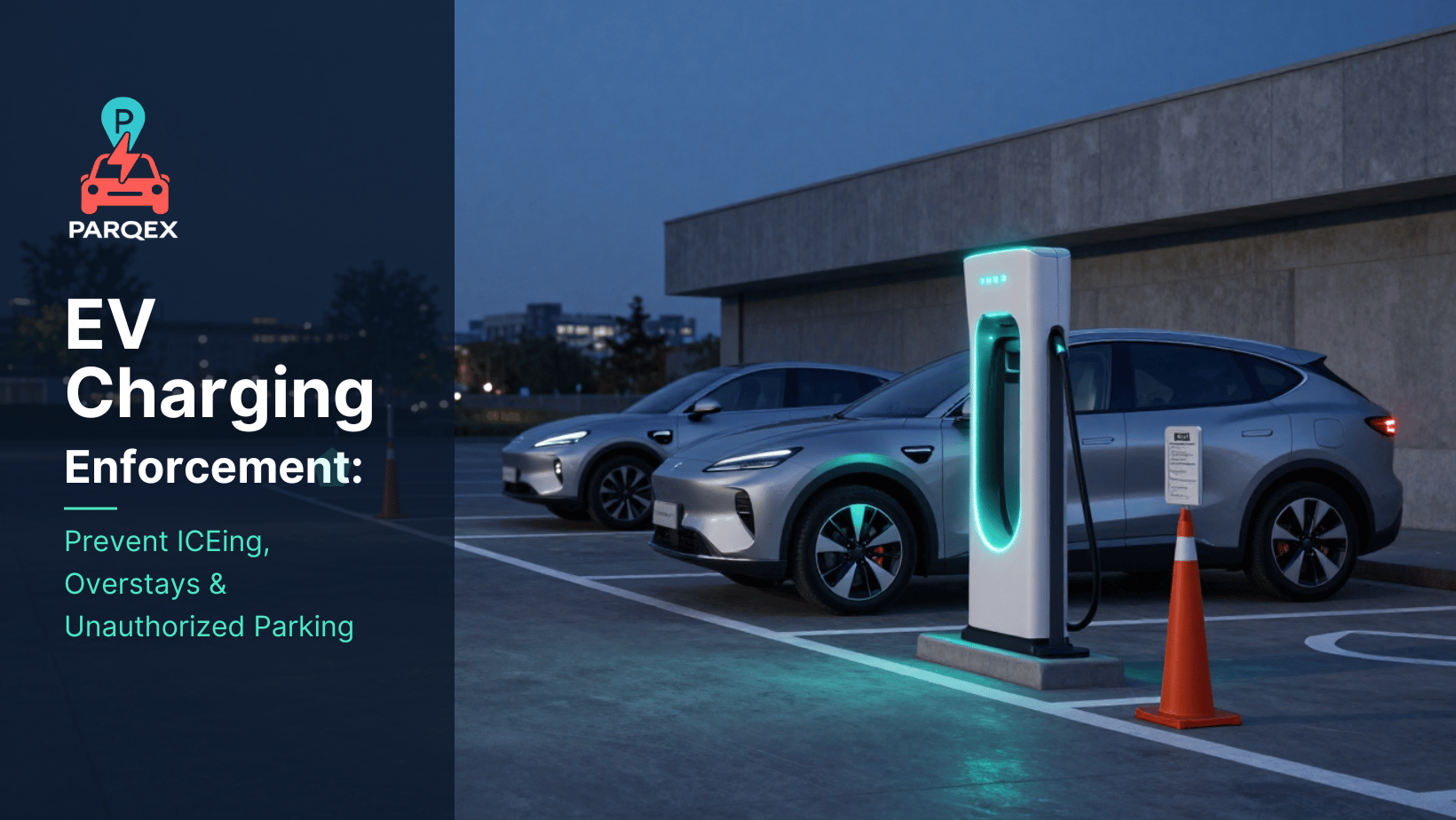
ICEing occurs when an internal combustion engine (ICE) vehicle parks in an EV charging space, preventing electric vehicles from accessing the charger.
While ICEing is a significant issue, it’s only one type of violation. Modern EV parking operations encounter many other operational challenges.
Examples include:
- EVs parked without charging
- Charging-complete overstays
- Unauthorized users
- Reservation violations
- Guest parking violations
- Vehicles exceeding time limits
- Vehicles parked in charging spaces without authorization
- Fraudulent permit use
Successful EV Parking Enforcement addresses every one of these situations—not just ICE vehicles.
EVs Parked but Not Charging
One of the most common violations is surprisingly committed by electric vehicles themselves. A driver parks in an EV charging space but never connects the charger.
From a parking perspective, the space is occupied. From a charging perspective, the charger is unavailable.
This reduces charger availability while creating unnecessary congestion.
By combining EV Charging Integrations with Parking Enforcement Software, organizations can determine whether a vehicle occupying a charging space is actively charging or simply parked.
Charging-Complete Overstays
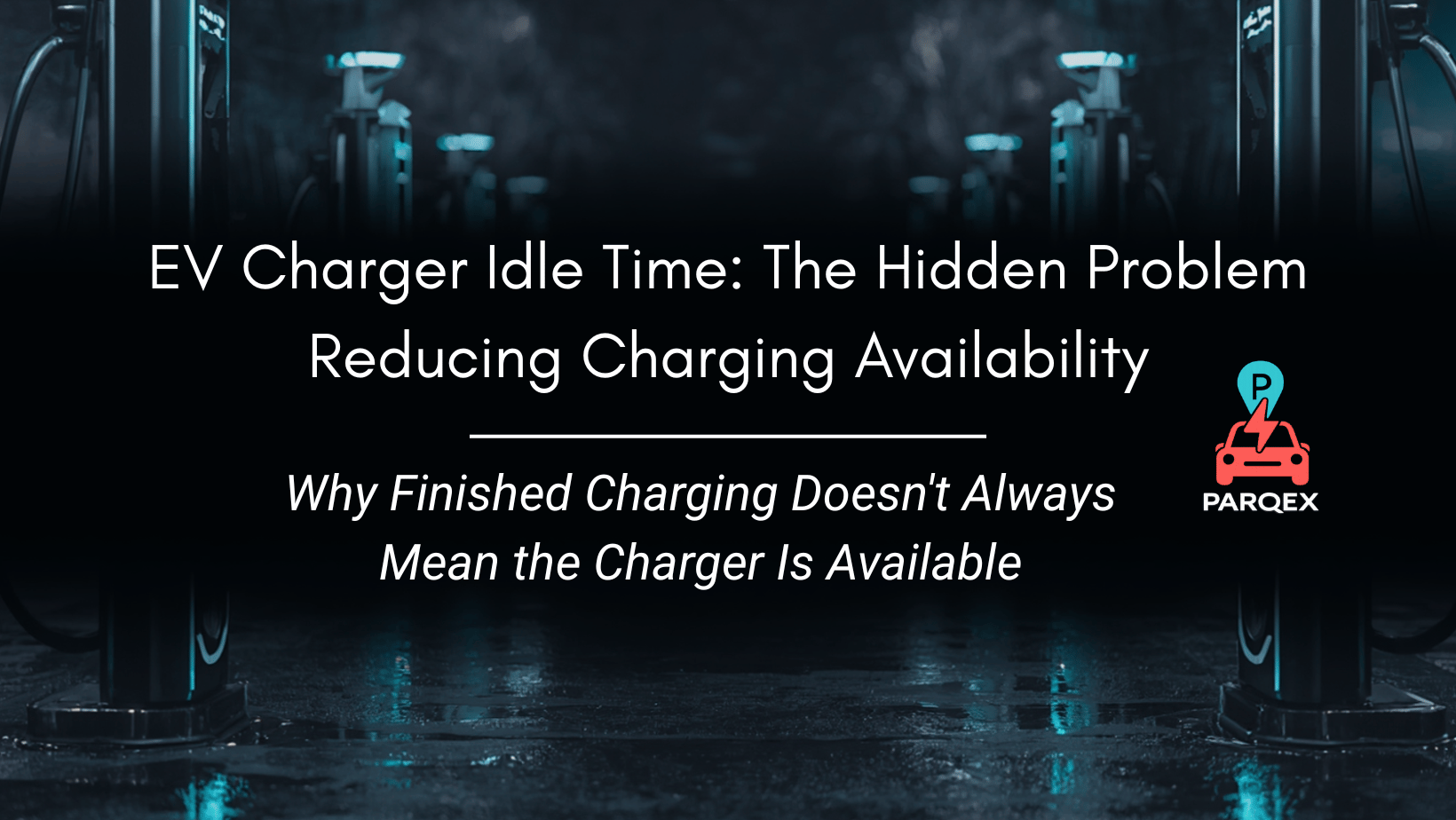
Another frequent problem occurs after charging has already finished. The vehicle remains parked long after it has received the energy it needs.
These “charging-complete overstays” reduce charger turnover while creating the impression that additional infrastructure is needed.
In many cases, the problem isn’t a shortage of chargers. It’s a shortage of available charging spaces.
Properties can address this through:
- Notifications
- Grace periods
- Idle fees
- Parking policies
- Automated enforcement
Reducing overstays often improves EV Charger Utilization without requiring additional charging infrastructure.
Reservation Violations
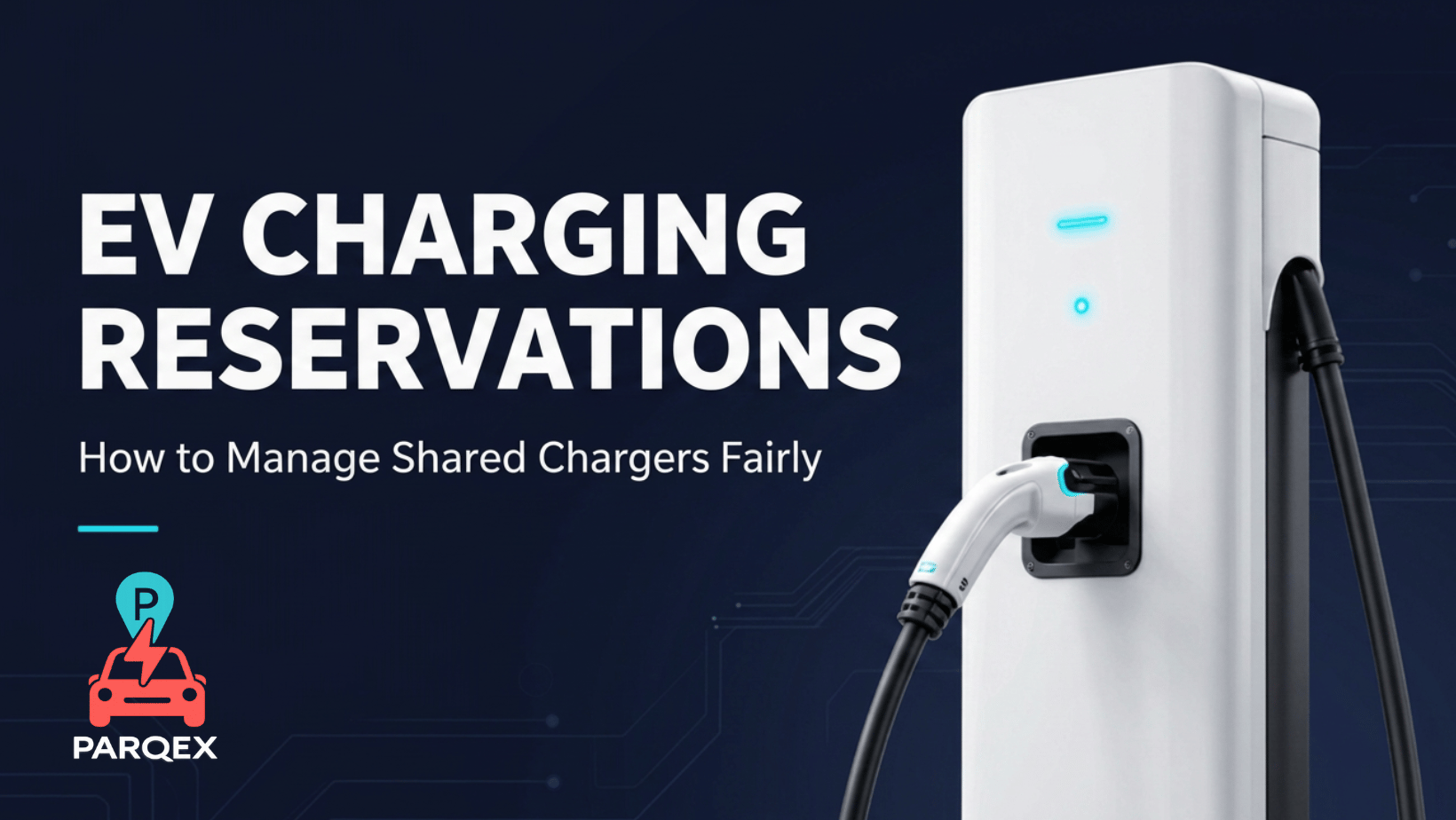
As more properties adopt EV Charging Reservations, enforcement becomes increasingly important.
Imagine arriving for a reserved charging session only to find another vehicle occupying the space. Without enforcement, reservations become meaningless.
Reservation enforcement helps ensure:
- Reserved spaces remain available
- Unauthorized vehicles are identified
- Reservation abuse is reduced
- Fair charger access is maintained
Reservations determine who should occupy the space. Enforcement ensures that actually happens.
Unauthorized Users and Guest Charging
Not every charging station is intended for public use.
Some chargers are reserved for:
- Residents
- Employees
- Hotel guests
- Fleet vehicles
- Authorized visitors
Others may allow public charging only during certain hours.
Enforcement helps properties verify whether a vehicle is actually authorized to use a charging space.
This becomes particularly important in mixed-use developments, apartment communities, office buildings, hotels, and commercial properties where different user groups have different access privileges.
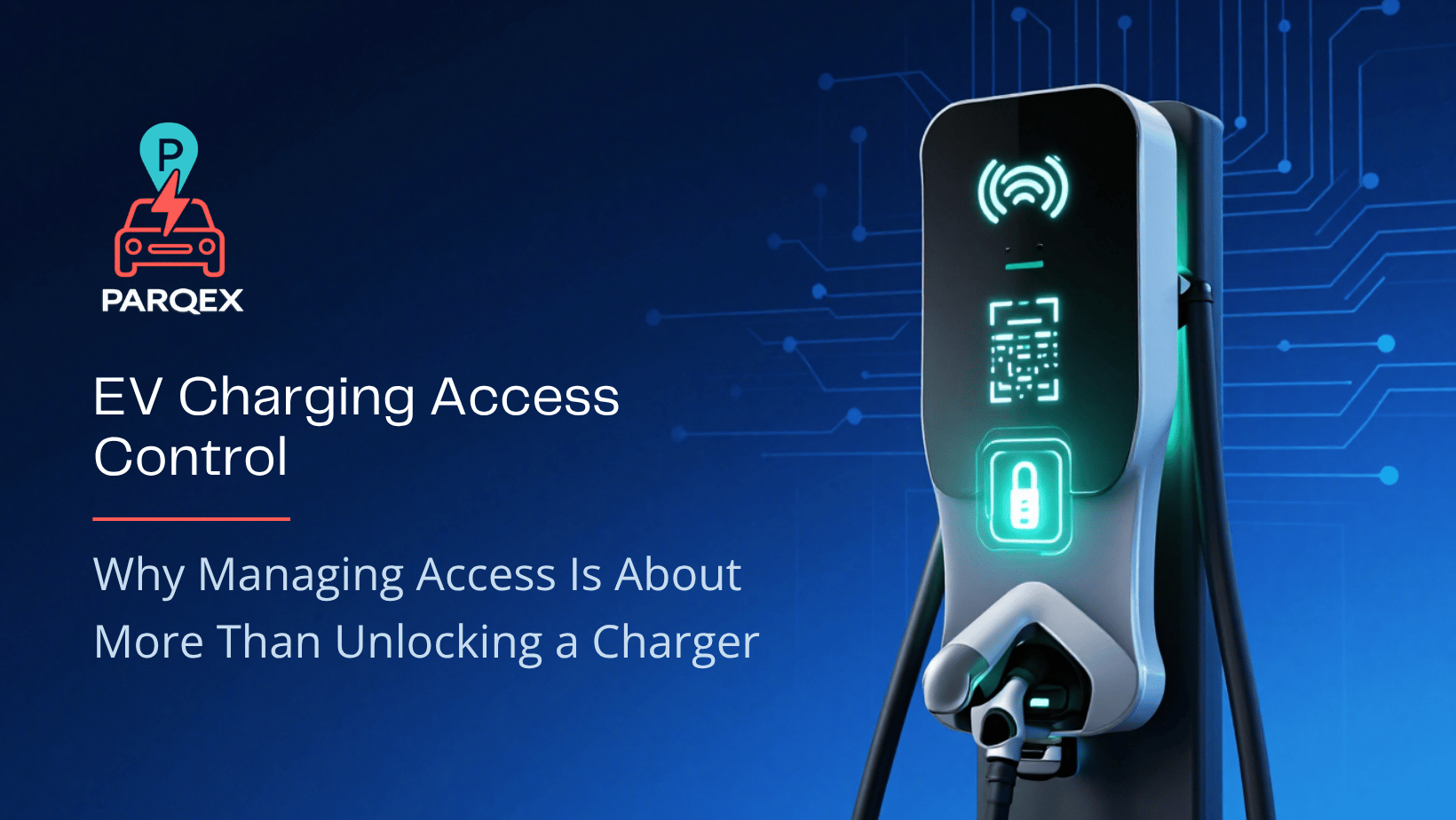
Combining Parking Access Management with enforcement allows organizations to automate many of these decisions.
How License Plate Recognition Improves EV Parking Enforcement
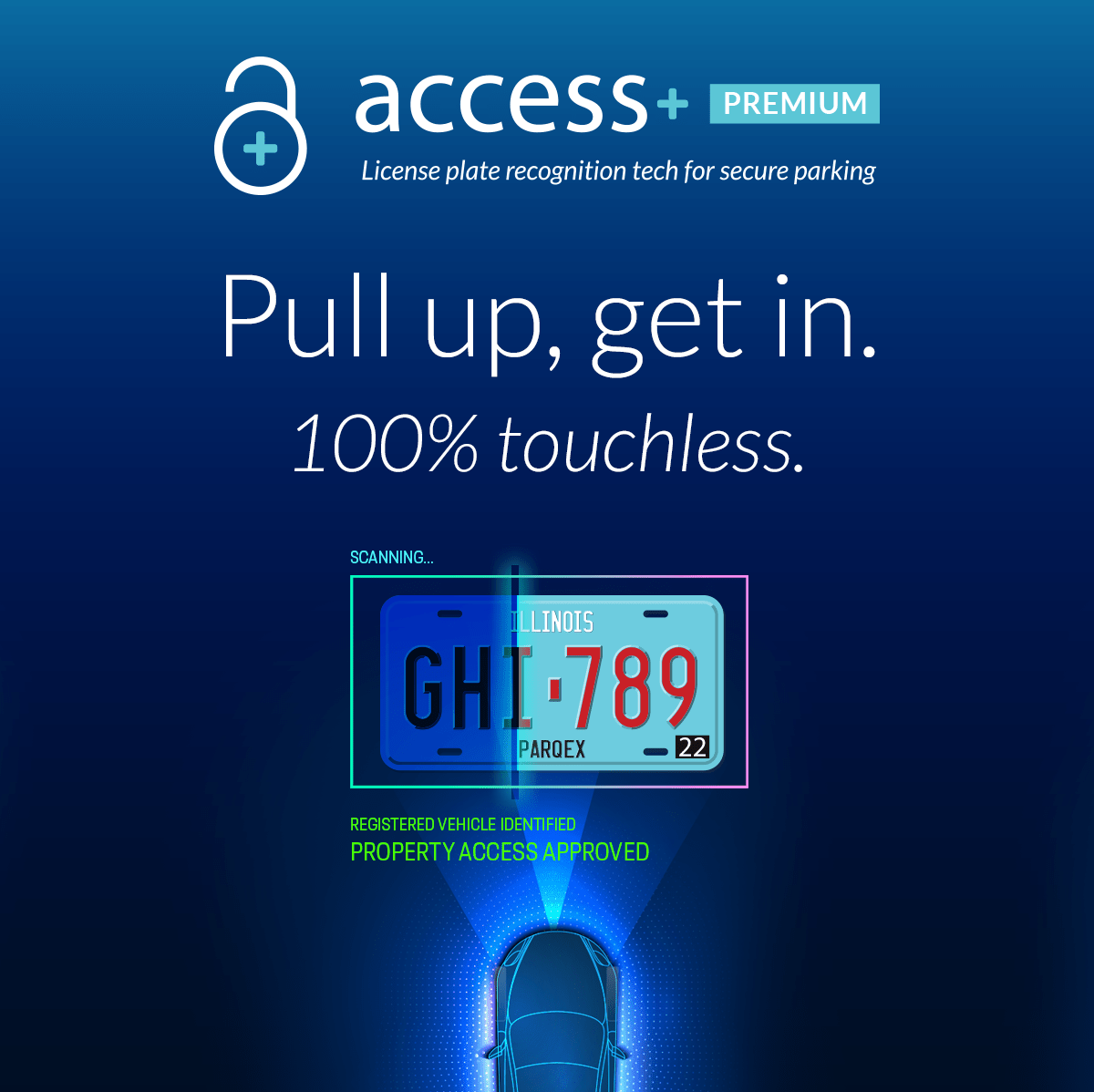
Modern License Plate Recognition (LPR) technology has transformed parking enforcement.
Rather than requiring staff to manually inspect every vehicle, LPR systems can automatically identify vehicles entering, exiting, or occupying charging spaces.
When integrated with parking software, LPR can help:
- Validate reservations
- Verify permits
- Identify unauthorized vehicles
- Confirm user eligibility
- Reduce manual inspections
- Improve enforcement consistency
Automation allows enforcement staff to focus on genuine violations instead of routine verification.
Charging-Session Validation Matters
One of the biggest differences between traditional parking enforcement and EV Parking Enforcement is charging validation.
Parking alone doesn’t necessarily mean charging is occurring.
Likewise, charging activity doesn’t necessarily mean a vehicle is authorized to occupy the space.
By connecting EV Charging Integrations with parking management software, organizations can validate:
- Whether charging has started
- Whether charging has ended
- Whether the reservation is active
- Whether the driver is authorized
- Whether parking policies are being followed
This creates a much more accurate enforcement process than relying on visual inspections alone.
Manual vs. Automated Enforcement
Traditional enforcement often depends on staff physically inspecting parking areas.
As EV charging grows, manual enforcement becomes increasingly difficult to scale.
Automated enforcement combines:
- Reservations
- Charging-session data
- LPR
- Parking policies
- Access permissions
- Time limits
- Analytics
Instead of manually checking every charger, organizations receive automated identification of likely violations.
Automation reduces administrative workload while improving consistency.
Choosing the Right Enforcement Response
Not every violation requires the same response. Many organizations establish progressive enforcement procedures.
Examples include:
- Driver notifications
- Warning notices
- Digital citations
- Parking citations
- Booting
- Vehicle towing
The appropriate response often depends on:
- Property policies
- User type
- Severity
- Repeat violations
- Local regulations
Clear enforcement procedures help ensure every driver is treated consistently.
Appeals and Dispute Resolution
Even automated systems occasionally require human review.
Drivers may dispute:
- Reservation timing
- Charging validation
- Permit status
- Vehicle identification
- Enforcement actions
A documented appeals process improves transparency while helping organizations maintain trust with residents, employees, and guests.
Appeal data can also reveal recurring operational issues that may require policy updates.
Measuring EV Parking Compliance
Enforcement should be measured, not just performed.
Useful compliance metrics include:
- ICEing incidents
- Unauthorized parking
- Reservation violations
- Charging-complete overstays
- Idle time
- Average enforcement response time
- Citation frequency
- Appeal rates
- Compliance rate by property
- Violations by user type
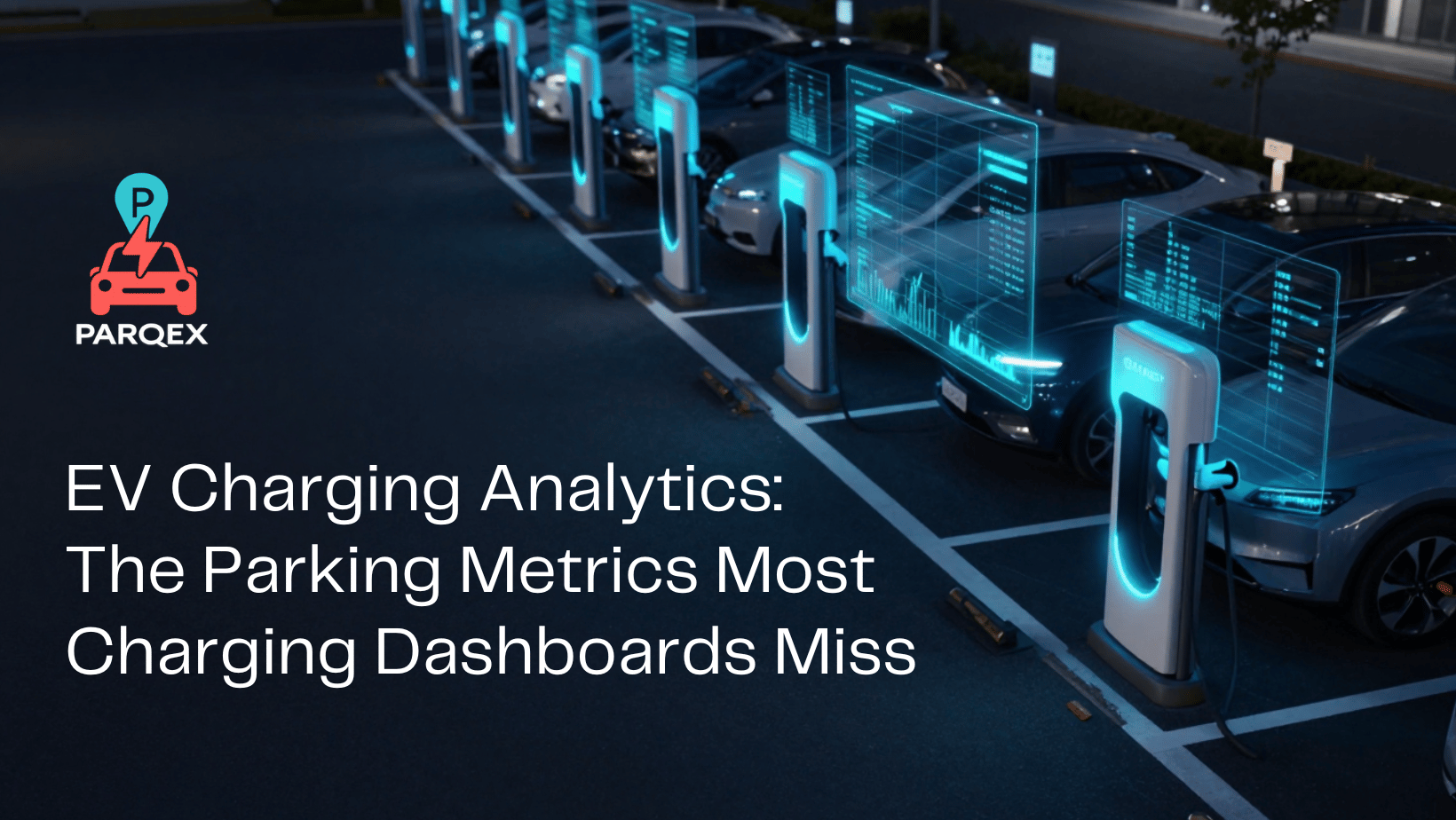
Combined with EV Parking Analytics, these metrics help organizations improve policies while identifying recurring operational challenges.
Why Charger Data Alone Cannot Enforce a Parking Rule
One of the biggest misconceptions in EV charging is that charging networks alone can manage parking operations.
Charging platforms know whether electricity is flowing.
They typically do not know:
- Whether the driver had a reservation
- Whether the vehicle is authorized
- Whether parking policies allow the vehicle to remain
- Whether another driver is waiting
- Whether a visitor should be charging
- Whether the vehicle exceeded its parking time
Those questions require parking management.
Charging data explains what happened electrically. Parking data explains what happened operationally. Successful EV charging requires both.
Better Enforcement Creates Better Charging
EV charging infrastructure is only as effective as the policies governing its use.
Without consistent enforcement, even well-designed charging programs experience congestion, conflict, and reduced charger availability.
By combining EV Parking Policies, Parking Access Management, EV Charging Integrations, License Plate Recognition (LPR), reservations, and analytics, organizations can create enforcement programs that are fair, automated, and scalable.
As EV adoption grows, successful properties won’t simply install more chargers. They’ll ensure every charging space is being used by the right vehicle, at the right time, for the right purpose.
Because successful EV charging depends on more than delivering electricity. It depends on managing the parking operation surrounding it.