



If you are considering an LPR parking system for multifamily, something likely triggered it.
Unauthorized vehicles. Resident complaints. Staff is spending too much time checking permits. Overflow frustration.
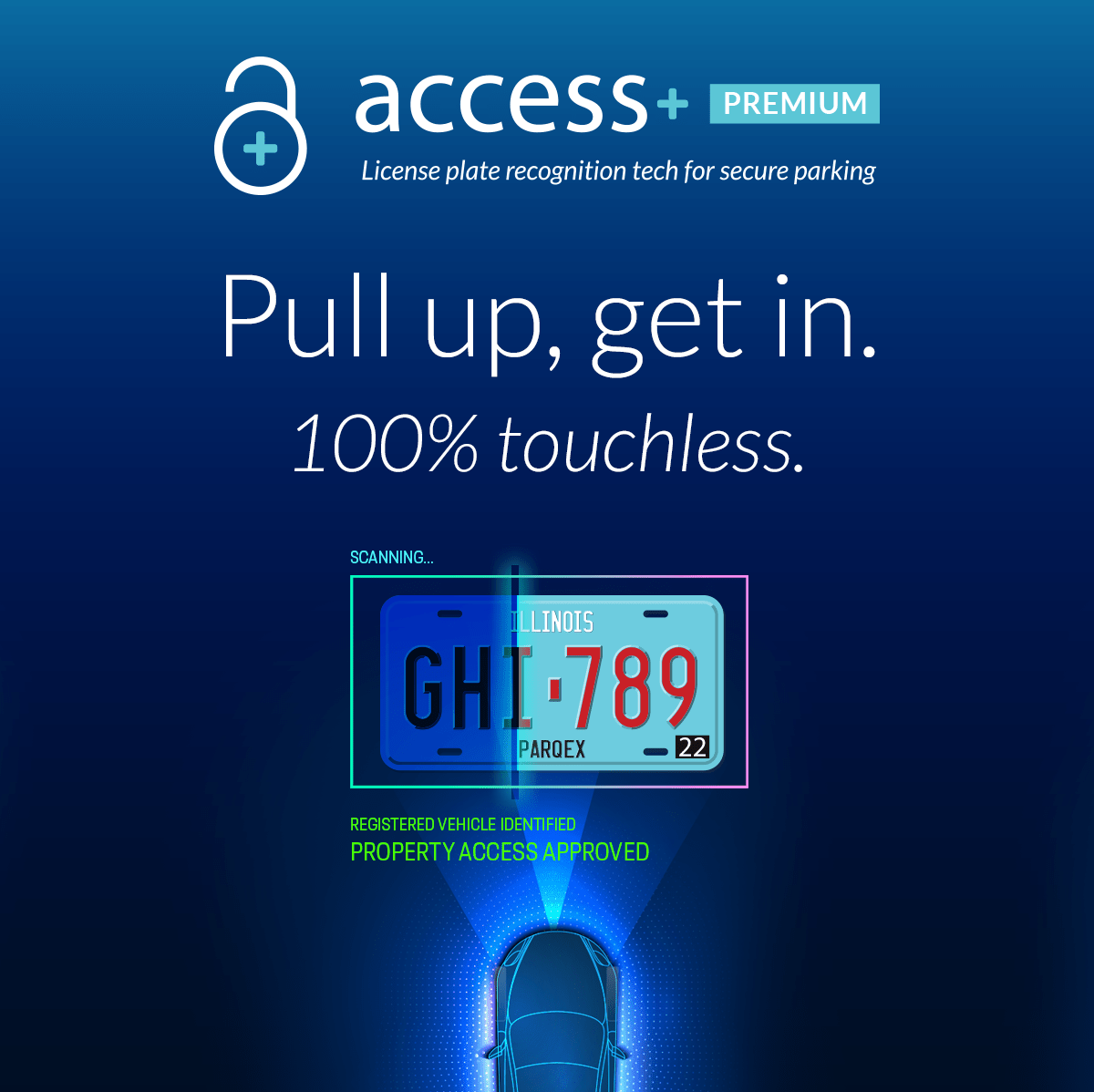
An LPR parking system absolutely improves enforcement. It automates plate recognition, verifies permits in real time, and improves the efficiency of citation tracking. For multifamily properties dealing with compliance issues, that is a real operational upgrade.
But an LPR parking system for multifamily buildings solves enforcement issues. It does not improve performance.
And multifamily parking today is about performance.
What an LPR Parking System for Multifamily Actually Does
A standard license plate reading parking system focuses heavily on parking enforcement tasks:
- Scanning vehicle license plates
- Verifying parking permit status
- Flagging unauthorized vehicles
- Issuing digital parking citations
- Tracking violations
Those capacities protect your parking supply from misuse.
What they are not addressing are the structural challenges that create conflict in multifamily and mixed-use environments.
An LPR parking system for multifamily does not:
- Reallocate unused spaces dynamically
- Balance retail and residential demand
- Monetize waitlists
- Adjust pricing based on occupancy
- Segment inventory intelligently
- Optimize utilization across time-of-day patterns
It enforces your current rules. It does not evaluate whether those rules are maximizing your assets.
For many multifamily properties, the real issue is not just unauthorized parking. It is underutilized inventory and rigid allocation.
Multifamily Parking Requires More Than Enforcement
Multifamily parking is no longer static.
Hybrid work schedules shift parking demand; retail and residential users overlap all throughout the day; delivery traffic is a constant; and EV charging changes parking dwell-time patterns.
If your LPR parking system operates independently, it becomes reactive. It identifies violations after friction occurs.
What multifamily and mixed-use properties actually need is:
- Real-time digital permit management
- Inventory segmentation across user types
- Guest access control
- Waitlist management
- Demand-based allocation
- Centralized analytics
That is the difference between a standalone LPR parking system and a full parking management platform.
Enforcement vs. Parking Management
It helps to be clear.
An LPR parking system for multifamily focuses on compliance.
A parking management platform focuses on performance.
Compliance protects supply. Performance improves occupancy and revenue.
Multifamily and mixed-use properties need both. But enforcement without management leaves revenue on the table.
How ParqEx Integrates LPR Into a Broader Strategy
ParqEx includes a robust Enforcer App with real-time license plate verification and digital enforcement tools. It performs on par with any standalone LPR parking system for multifamily properties.
The difference lies in integration with the overall parking ecosystem.
With ParqEx, LPR enforcement connects directly to:
- Digital parking permits
- Flexible parking leases
- Resident and guest access control
- Aggregated nearby parking inventory
- Utilization tracking
- Revenue optimization tools
That integration changes the results.
Instead of simply identifying violations, you gain control over allocation and utilization. When parking is structured intelligently, violations naturally decrease, occupancy improves, and opportunities to generate parking revenue become more consistent.
The Real Question for Multifamily Operators
If you are investing in an LPR parking system for multifamily, ask yourself: Are you buying better enforcement, or are you upgrading how your parking asset performs?
An LPR parking system improves compliance. An integrated parking platform improves performance.
If your goal is higher utilization, stronger resident experience, and measurable parking revenue, enforcement alone is not enough.
Request a Demo
If you are evaluating an LPR parking system for multifamily or mixed-use properties, see how ParqEx connects enforcement to a full parking management strategy.
Request a demo to understand how LPR works inside a platform designed to increase occupancy, reduce friction, and generate revenue.