


Reservations, Waitlists, Time Limits, and the Rules Behind Better Charger Access
As electric vehicle adoption grows, properties face a simple problem: demand for EV charging can grow faster than the number of chargers available.
Installing more chargers may eventually be necessary, but adding infrastructure isn’t the only way to improve availability. Properties also need a fair and efficient way to manage access to the chargers they already have. That’s where EV Charging Reservations come in.
EV Charging Reservations allow drivers to reserve access to a charging space during a defined period rather than arriving and hoping a charger is available. For property managers, reservations provide a structured way to distribute limited charging capacity among residents, employees, guests, fleet vehicles, and other users.
But simply allowing drivers to book chargers doesn’t guarantee fairness.
Reservation duration, no-shows, grace periods, recurring bookings, peak demand, overstays, and enforcement all determine whether a reservation system actually improves charger availability or simply creates a different set of problems. The goal isn’t just to let people reserve chargers. It’s to ensure available charging capacity is shared fairly.
What Are EV Charging Reservations?
EV Charging Reservations allow authorized drivers to schedule access to an EV charging space for a specific period of time.
Depending on the property, drivers may select:
- A charging location
- An available charger or charging space
- A start time
- A reservation duration
- A recurring schedule
The reservation then temporarily assigns that charging resource to the driver.
Within broader EV Parking Operations, reservations help coordinate the relationship between the driver, vehicle, parking space, charger, and property rules. This is an important distinction.
A reservation isn’t simply about scheduling electricity. It’s about ensuring the physical parking space associated with that charging infrastructure is available when an authorized driver needs it.
Why EV Charging Reservations Matter
Shared chargers create competition for a limited resource.
Imagine an apartment community with 50 EV-driving residents and 10 chargers. Without a reservation system, access may effectively become first-come, first-served. Drivers who arrive at convenient times repeatedly gain access, while others may struggle to charge at all.
Similar problems can occur at workplaces, hotels, mixed-use developments, universities, and other properties where multiple drivers share charging infrastructure.
EV Charging Reservations can help properties:
- Improve charger availability
- Distribute access more fairly
- Reduce uncertainty for drivers
- Increase charger turnover
- Manage peak demand
- Reduce conflicts
- Better understand charging demand
Reservations transform charging access from an informal competition into a managed resource.
EV Charging Reservations vs. Waitlists
Reservations and waitlists solve related but different problems.
A reservation allows a driver to claim future access to a charging space during a defined period. A waitlist manages demand when all available charging spaces or reservation windows are already taken.
For example, a resident might reserve a charger from 6:00 p.m. to 8:00 p.m. If every charger is already reserved during that period, another resident could join a waitlist and receive access if a reservation becomes available.
Reservations provide predictability. Waitlists help manage overflow demand.
Properties experiencing high charging demand may benefit from using both.
A well-designed system can also use waitlist data to reveal when charging demand consistently exceeds available capacity, providing valuable insight for EV Charger Utilization and future infrastructure planning.
No-Shows Can Make Chargers Look Unavailable
Reservations only improve access when reserved spaces are actually used. A driver who reserves a charger but never arrives can prevent someone else from using that charging capacity. This creates a no-show problem.
Properties should establish clear rules for unused reservations, such as:
- Releasing the reservation after a defined grace period
- Notifying the next driver on a waitlist
- Tracking repeated no-shows
- Restricting reservation privileges for frequent abuse
- Applying fees when appropriate
No-show management helps ensure a reserved charger doesn’t sit empty while other drivers are waiting.
Establish Grace Periods
Drivers don’t always arrive at the exact minute their reservation begins. Traffic, meetings, delayed flights, work schedules, and other factors can make perfectly timed arrival unrealistic. A grace period provides flexibility while preventing unused reservations from blocking charging access indefinitely.
For example, a property may allow drivers 10 or 15 minutes after the reservation begins to claim the space. If the driver doesn’t arrive within that window, the reservation can be released. The appropriate grace period will depend on the property and user population, but the principle is the same: Give drivers reasonable flexibility without sacrificing charger availability.
Grace periods should be clearly defined within the property’s EV Parking Policy so every user understands when a reservation begins, when it expires, and what happens if they arrive late.
Set Appropriate Reservation Durations
Reservation windows should reflect how charging infrastructure is actually used.
If reservation periods are too short, drivers may not receive enough time to charge. If they’re too long, chargers may remain unavailable even after charging has finished.
Properties should consider:
- Average charging session duration
- Charger speed
- Typical driver needs
- Peak demand
- Number of available chargers
- User type
- Historical utilization
Reservation duration may also vary throughout the day.
A workplace experiencing high morning demand could use shorter reservation windows during peak hours while allowing longer sessions later in the day.
The objective is not to create the longest possible reservation. It’s to create enough time for useful charging while keeping the resource available to the next driver.
Should EV Charging Reservations Be Recurring?
Recurring reservations can be convenient, particularly for predictable users. An employee who works the same schedule every week or a resident with a consistent commute may want to reserve the same charging period repeatedly.
But unlimited recurring reservations can create fairness problems. If one driver permanently controls the same desirable charging window, other users may rarely have an opportunity to access it.
Properties may choose to:
- Limit how far ahead recurring reservations can be made
- Restrict the number of recurring reservations per user
- Rotate access during high-demand periods
- Prioritize recurring access only for specific user groups
Recurring reservations should improve convenience without allowing a small group of users to monopolize charging capacity.
Manage Peak-Hour Charging Differently
Not every hour has the same demand. Multifamily properties may experience charging peaks in the evening when residents return home. Workplaces may experience demand shortly after employees arrive. Hotels may experience demand around check-in and overnight.
Rather than applying identical reservation rules all day, properties can use Parking Analytics to understand when demand is highest and adjust policies accordingly.
Peak-hour strategies may include:
- Shorter reservation windows
- Limits on consecutive reservations
- Waitlists
- Different pricing
- Priority access rules
- Stricter grace periods
Managing peak periods separately can improve access without unnecessarily restricting charging during lower-demand hours.
Residents, Employees, and Guests May Need Different Rules
Fairness doesn’t necessarily mean every user receives identical access. Different user groups often have different relationships with a property.
Residents
Residents may need regular access because charging at home is their primary charging option. Properties might allow residents to book farther in advance or create recurring reservations within defined limits.
Employees
Workplace charging policies may focus on turnover during business hours. Employees could receive shorter charging windows so multiple drivers can use the same charger throughout the workday.
Guests and Visitors
Guest charging may require shorter booking windows, different pricing, or registration before access is granted.
Fleet Vehicles
Fleet operations may prioritize charging based on vehicle schedules, routes, or operational requirements rather than individual driver preference. Combining reservations with Parking Access Management allows properties to create different eligibility and scheduling rules for each user group.
What Happens If Charging Finishes Before the Reservation Ends?
This is where charging and parking operations begin to overlap.
Suppose a driver reserves a charging space for three hours but the vehicle finishes charging after two. Should the driver be allowed to occupy the space for the remaining hour? Technically, the reservation may still be active. Operationally, however, the charger could already serve another vehicle.
Properties need rules governing what happens when charging ends before the parking reservation does.
Options may include:
- Allowing the driver to remain until the reservation ends
- Providing a grace period to relocate the vehicle
- Releasing the charging space early
- Notifying a waitlisted driver
- Applying idle fees after charging ends
Connecting reservation information with EV Charging Integrations can help properties distinguish between a vehicle that is actively charging and one that is simply occupying a reserved charging space.
What Happens If Charging Takes Longer Than the Reservation?
The opposite situation creates another challenge.
A reservation may end before the vehicle has finished charging. Automatically forcing every driver to leave mid-session may create a poor experience, but allowing every session to extend indefinitely makes future reservations unreliable.
Properties need consistent rules.
Depending on demand, policies might allow:
- A short extension when no reservation follows
- Automatic extension options
- A defined grace period
- Notifications before the reservation ends
- Required relocation during high-demand periods
The key is predictability.
Drivers should know what happens before the situation occurs, and the next driver should be able to trust that a reservation represents meaningful access.
How EV Charging Reservations Work With Enforcement
A reservation system is only effective if reserved spaces remain available to the people who booked them.
Imagine a driver arrives for a 7:00 p.m. reservation and finds another vehicle occupying the charger. The software may show a valid reservation, but that doesn’t solve the physical parking problem.
This is why reservations and EV Parking Enforcement need to work together.
Enforcement can address:
- Unauthorized vehicles in reserved spaces
- Drivers exceeding reservation periods
- Vehicles parked without charging
- Expired reservations
- Repeated reservation abuse
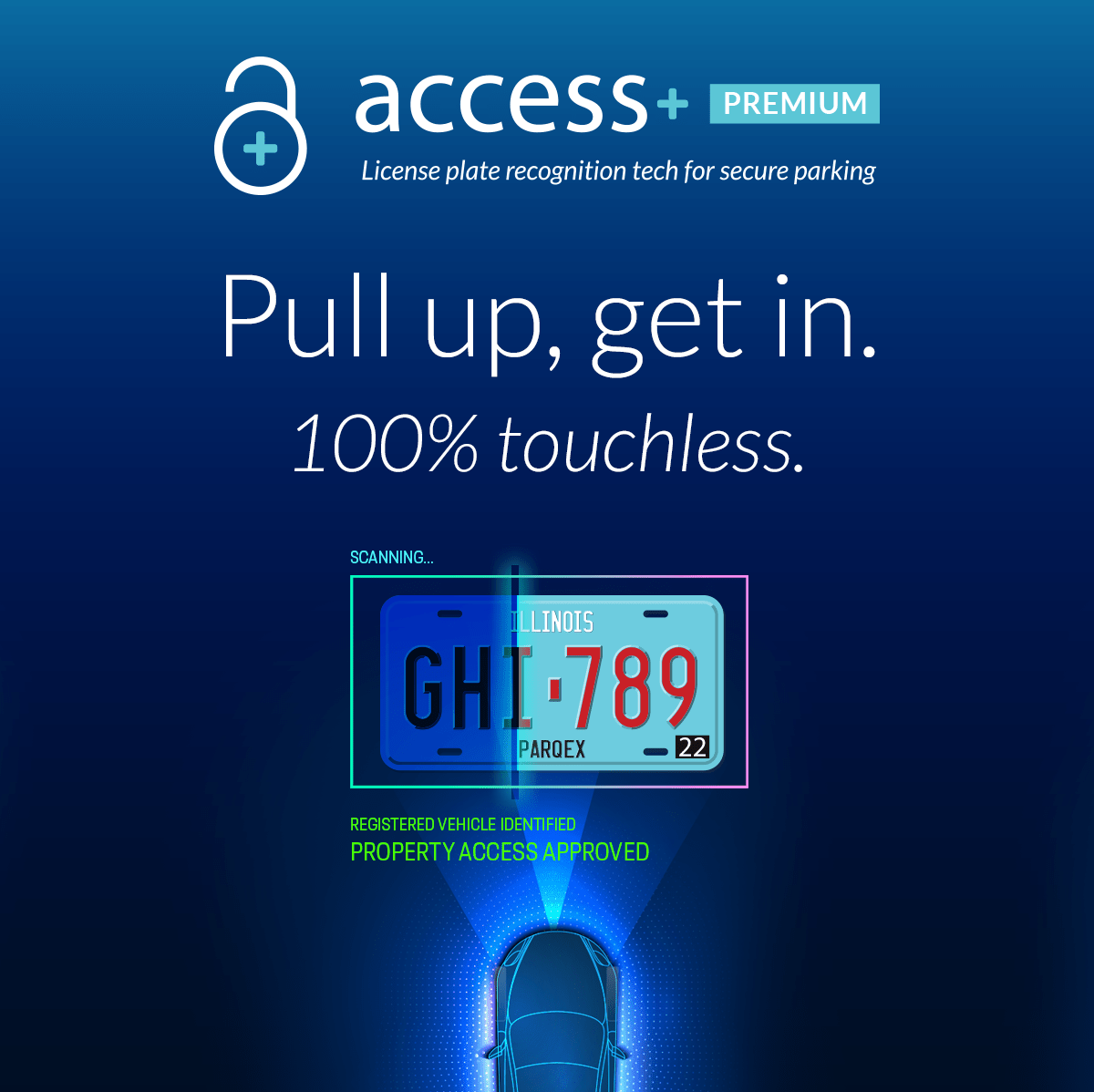
Technologies such as License Plate Recognition (LPR) can also help validate whether the vehicle occupying a charging space matches the vehicle authorized to use it.
Reservations determine who should have access. Enforcement helps ensure that access actually exists.
Measure Reservation Utilization
Properties shouldn’t evaluate a reservation system based only on how many bookings are created. They should measure how effectively those reservations translate into actual charger use.
Reservation utilization can include metrics such as:
- Percentage of reservation windows booked
- Percentage of reservations actually used
- No-show rate
- Average reservation duration
- Average active charging time per reservation
- Early departures
- Overstays
- Waitlist demand
- Reservations per charger
- Peak-period booking rates
These metrics help distinguish between high demand and inefficient scheduling.
For example, a property with a nearly full reservation calendar may appear to need additional chargers. But if 20% of reservations are no-shows and many vehicles remain parked after charging finishes, improving operations could unlock significant capacity before new infrastructure is required.
This is why reservations should be analyzed alongside EV Charger Utilization and broader EV Parking Analytics.
What Does Fair EV Charging Access Actually Mean?
Fairness is the most important principle behind EV Charging Reservations. But fair access doesn’t necessarily mean every driver gets the exact charging window they want.
A fair system creates transparent rules that distribute limited charging capacity according to the needs and priorities of the property.
That may mean:
- Limiting how many future reservations one driver can hold
- Preventing users from repeatedly claiming peak periods
- Creating waitlists when demand exceeds supply
- Prioritizing specific user groups when necessary
- Releasing unused reservations quickly
- Enforcing reservation end times
- Using data to adjust rules as demand changes
The goal is to prevent charging infrastructure from being dominated by the drivers who arrive first, reserve earliest, or leave their vehicles longest.
As EV adoption increases, this becomes increasingly important.
Reservations Can Help Properties Understand When They Need More Chargers
Reservation data isn’t only useful for scheduling. It can also help properties plan future infrastructure.
Consistently full reservation windows, long waitlists, high active charging utilization, and frequent periods when authorized drivers cannot access charging may indicate that demand has exceeded existing capacity.
On the other hand, frequent no-shows, long idle periods, poor turnover, or inefficient reservation windows may indicate that the existing infrastructure simply needs to be managed better.
Before asking How Many EV Chargers Does My Property Need?, organizations should understand how efficiently their current chargers are being shared.
Reservation data provides part of that answer.
Better EV Charging Reservations Create Better Access
As EV adoption grows, shared charging infrastructure needs more than a booking calendar. It needs rules.
Effective EV Charging Reservations combine scheduling with grace periods, waitlists, time limits, access policies, enforcement, charging validation, and analytics.
When these systems work together, properties can serve more drivers with existing infrastructure while reducing uncertainty and improving the overall charging experience.
Within a broader EV Parking Operations strategy, reservations become more than a convenience.
They become a way to manage limited charging capacity fairly, efficiently, and transparently.