



Parking Isn’t Just a Cost — It’s a Revenue Opportunity
For a long time, parking has been treated as a necessary expense. You build it, maintain it, and assign it. That’s it.
But that mindset is starting to shift, especially for properties that are feeling pressure to do more with what they already have.
Today, more properties are realizing that parking is not just infrastructure. It is an asset when managed through parking operations. When managed correctly, it can generate meaningful revenue while improving the overall experience for residents, tenants, and guests.
The challenge is that most properties are only capturing a fraction of what is possible.
In a lot of cases, the issue is not that there is not enough parking. It is that the existing parking is not being used strategically, especially when properties are not leveraging untapped parking revenue in CRE.
What Are Parking Revenue Streams?
Parking revenue streams refer to the different ways a property can generate income from its parking assets. For many properties, this starts with modern permit parking management.
Instead of depending on a single revenue stream, most modern properties layer multiple strategies together to maximize value.
Common parking revenue streams include:
- Monthly parking fees
- Guest and visitor parking
- Event and transient parking
- Reserved or premium spaces, including structured VIP parking experiences and even valet parking workflows
- Permit-based access
- Parking enforcement and violation fees
Each of these contributes differently depending on the property type and how parking is managed.
Why Most Properties Leave Revenue on the Table
Most parking operations are not optimized for revenue. They are optimized for simplicity.
That usually leads to:
- Flat pricing with no flexibility
- Underutilized spaces during off-peak hours
- No structured guest parking system
- Limited visibility into actual demand
In many cases, the issue is not a lack of parking. It is a lack of strategy, which is often tied to the hidden cost of poor parking management. And most of the time, these gaps go unnoticed until revenue or complaints start to surface.
The Core Types of Parking Revenue Streams
1. Monthly Parking
This is the most common and predictable revenue stream.
Residents, tenants, or employees pay a fixed monthly fee for access to parking. While reliable, this model can also limit upside if spaces sit empty at certain times.
2. Guest and Visitor Parking
Guest parking is often overlooked, especially in properties dealing with unauthorized vehicle enforcement in HOAs. But it can be a meaningful source of revenue when structured correctly.
Instead of free, unmanaged access, properties can implement:
- Time-based pricing
- Guest permits
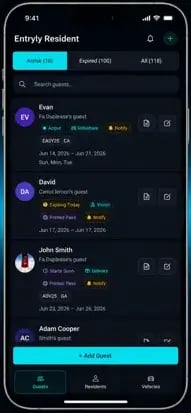
- Digital registration systems
This creates both revenue and better control.
3. Event and Transient Parking
For properties in high-demand areas where demand spikes, teams often need to source event parking effectively. Short-term parking can be one of the most valuable revenue streams.
This includes:
- Event parking
- Hourly or daily parking
- Weekend demand spikes
When managed properly, this can significantly increase overall parking income.
4. Premium and Reserved Spaces
Not all parking spaces are equal.
Some locations, such as covered parking, spots near entrances, or EV charging spaces, can be priced at a premium, especially when integrating EV charging revenue opportunities.
This allows properties to segment their inventory and capture higher-value demand.
5. Permit-Based Parking
Permit systems create structure, especially as properties move through the evolution of parking permits.
They also provide an opportunity to tier pricing based on:
- Access level
- Location
- Time restrictions
6. Enforcement and Violations
While not always viewed as a revenue stream, enforcement plays a role in both compliance and income.
Consistent enforcement can be especially effective when paired with strong smart parking solutions:
- Reduce unauthorized parking
- Protect paid spaces
- Generate revenue from violations
The key is balancing fairness with consistency.
How to Maximize Parking Revenue
Maximizing revenue is not about raising prices across the board. It is about using your existing supply more effectively.
Optimize for Utilization
This is usually the fastest place to improve performance without making major changes.
Empty spaces represent lost revenue.
Look for opportunities to:
- Share parking across user groups, avoiding common mixed-use parking management mistakes
- Open access during off-peak hours
- Fill unused capacity
Introduce Dynamic Pricing
Flat pricing does not reflect real demand.
Adjusting pricing based on:
- Time of day
- Demand levels
- Event schedules
can significantly increase revenue without adding inventory.
Create Structured Guest Access
Unmanaged guest parking often leads to both lost revenue and operational headaches.
A structured system allows you to:
- Control access
- Set pricing
- Track usage
Use Data to Guide Decisions
Without data, it is difficult to optimize anything, which is why reporting and analytics drive revenue.
Tracking usage, occupancy, and demand patterns allows properties to:
- Identify revenue gaps
- Adjust pricing strategies
- Improve overall performance
How Technology Unlocks Parking Revenue
Modern parking operations rely on AI-powered parking zone management to coordinate these different revenue streams.
With the right system in place, properties can:
- Manage multiple revenue streams in one platform
- Monitor availability in real time
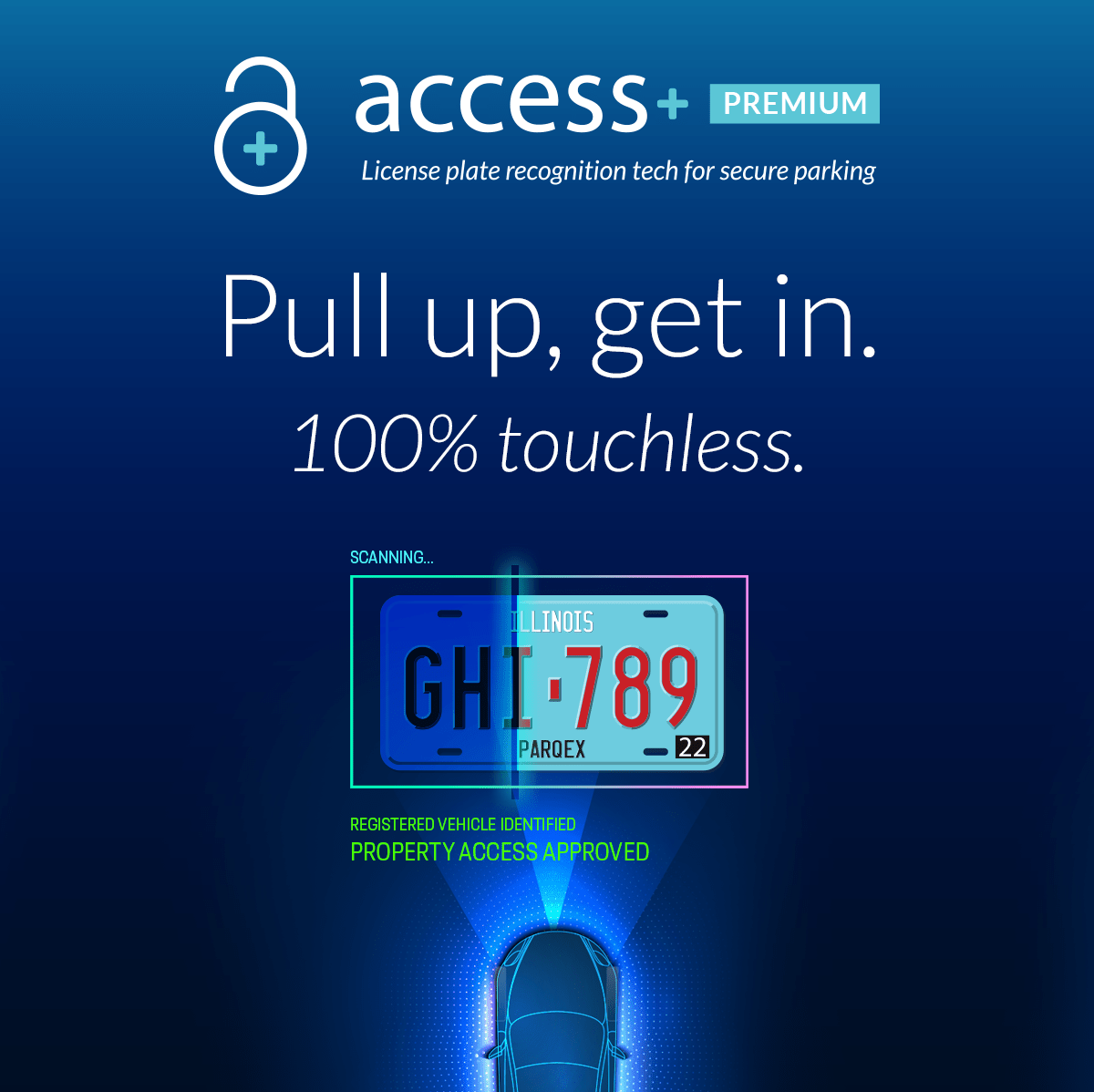
- Automate access and enforcement
- Adjust pricing dynamically
Solutions like ParqEx help transform parking from a static asset into a revenue-generating system.
The Shift from Parking as a Cost to Parking as an Asset
The biggest shift happening in parking today is how it is viewed.
Parking is no longer just something you maintain. It is something you manage, optimize, and monetize.
Properties that recognize this are able to:
- Increase revenue without adding new spaces
- Improve user experience
- Operate more efficiently
Final Takeaway
Parking revenue is not limited to one source, and it rarely comes from just one strategy. It is the result of multiple streams working together.
The more effectively those streams are managed, the more value a property can unlock from the same physical space.
Frequently Asked Questions About Parking Revenue
Parking revenue streams are the different ways a property can generate income from its parking assets. This can include monthly parking, guest parking, event parking, premium spaces, and enforcement-related revenue.
The most common parking revenue source is monthly parking. It provides consistent, predictable income, but it is often not fully optimized compared to more dynamic revenue streams.
Properties can increase parking revenue by improving utilization, introducing dynamic pricing, structuring guest parking, and using data to better understand demand patterns.
Yes. Guest parking is often underutilized as a revenue stream. When managed properly with permits or time-based pricing, it can generate income while improving control and compliance.
Technology helps by providing visibility into parking usage, enabling dynamic pricing, automating access, and allowing properties to manage multiple revenue streams more efficiently.