


Parking Isn’t Just About Spaces Anymore
For years, parking has been treated as a fixed asset; a set number of spaces assigned to a single property and used in predictable ways. You build it, stripe it, assign it, and move on.
But that model no longer works in today’s world.
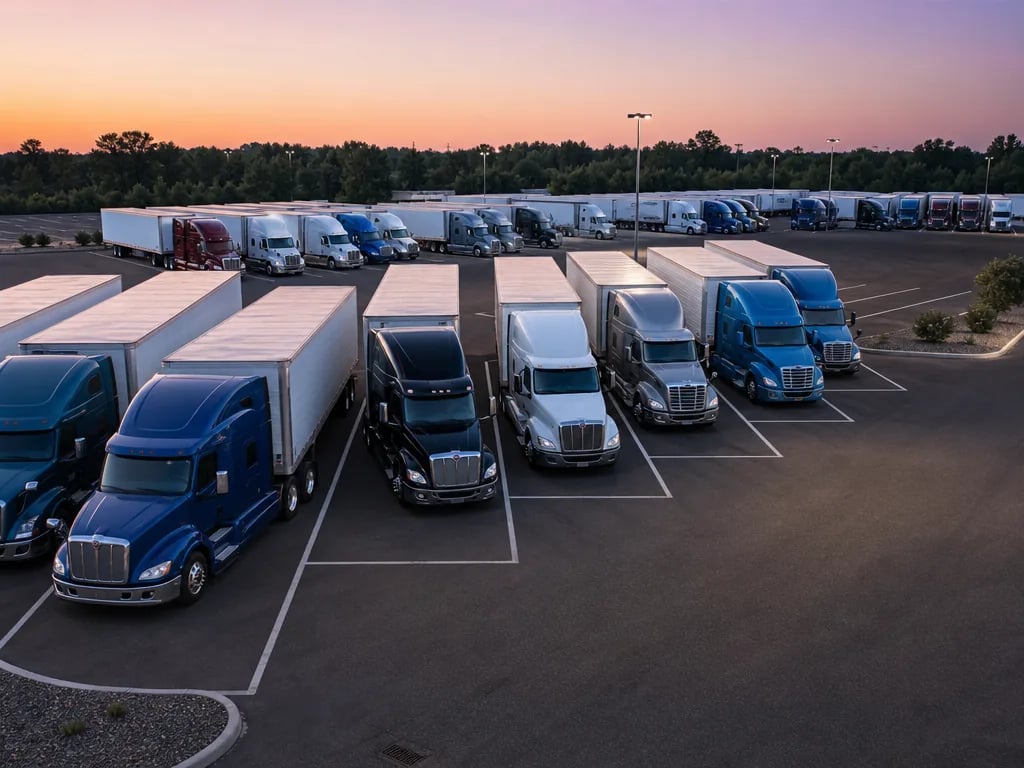
Today, parking demand is anything but predictable. Usage shifts throughout the day, the week, and even the season. And across most cities, there are thousands of underutilized parking spaces sitting empty, while just blocks away, people are circling for parking.
That disconnect is exactly where parking aggregation comes in, as part of broader modern parking management strategies.
What is Parking Aggregation?
Parking aggregation is the method of sourcing, consolidating, and managing parking supply across numerous locations or owners into a single, unified system, similar to how different types of parking systems are structured and managed today.
Instead of relying on a single property’s parking inventory, aggregation allows operators to expand beyond their own footprint and tap into nearby supply.
In practice, that means you can:
- Access additional parking from nearby properties
- Combine multiple parking assets into one system
- Allocate spaces dynamically based on demand
- Create a seamless experience across locations
At its core, parking aggregation converts parking from a static asset into a flexible, demand-driven network.
Why Parking Aggregation Matters Today
Parking Demand is No Longer Predictable
Parking demand used to follow simple patterns. Today, it’s layered and constantly shifting.
- Residential demand peaks overnight
- Office demand peaks during weekdays
- Retail demand fluctuates throughout the day
- Events create sudden spikes
Trying to manage all of this with a single, fixed supply creates constant imbalance, which is why many properties struggle with broader parking demand challenges.
Underutilized Parking is Everywhere
One of the biggest inefficiencies in parking isn’t a lack of supply — it’s how that supply is used.
Across most properties, there are predictable gaps:
- Office garages sit empty at night
- Residential spaces are unused during the day
- Retail parking is vacant during off-hours
Aggregation connects these gaps and turns unused capacity into usable inventory, a concept that aligns closely with parking-as-a-service models.
Guest, Delivery, and Event Parking Are Increasing
Properties now need to accommodate parking demand from a wider range of users, which is why many are turning to event parking solutions and flexible access models.
- Guests
- Service providers
- Delivery vehicles
- Event traffic
Without flexibility, these use cases create friction and overwhelm existing systems. Aggregation allows properties to absorb that variability without overbuilding.
Cities Are Rethinking Parking Requirements
Zoning and development trends are shifting. Many cities are moving toward:
- Reduced parking minimums
- Shared parking models
- Mobility-first planning
This means properties can’t rely on excess parking to solve problems. Instead, they need smarter ways to use what already exists — which is exactly what aggregation enables.
How Parking Aggregation Works
Parking aggregation isn’t just about listing spaces. It’s about coordinating supply
It typically follows a few key steps:
1. Identify Available Parking Supply
This includes a wide range of assets, such as:
- Private garages
- Surface lots
- Residential overflow spaces
- Commercial parking facilities
2. Integrate Multiple Parking Sources
Instead of managing each location separately, aggregation brings them into a single centralized system, often supported by structured parking zone management.
3. Enable Access and Reservations
Users can interact with parking in a more modern way:
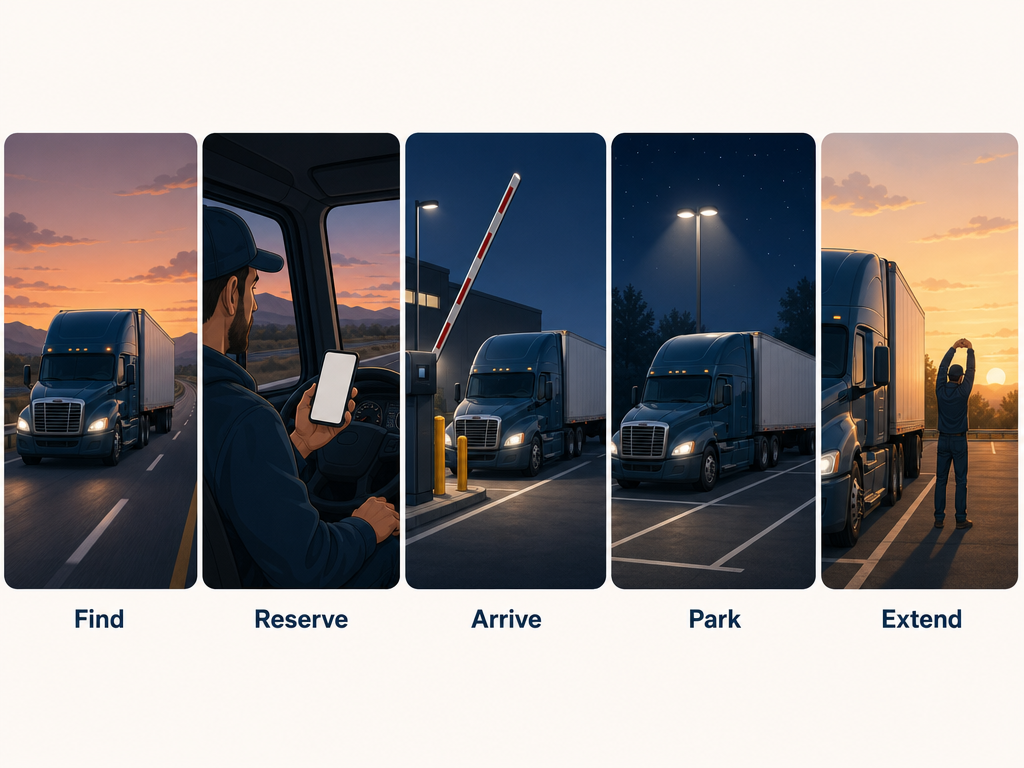
- Reserve spaces in advance
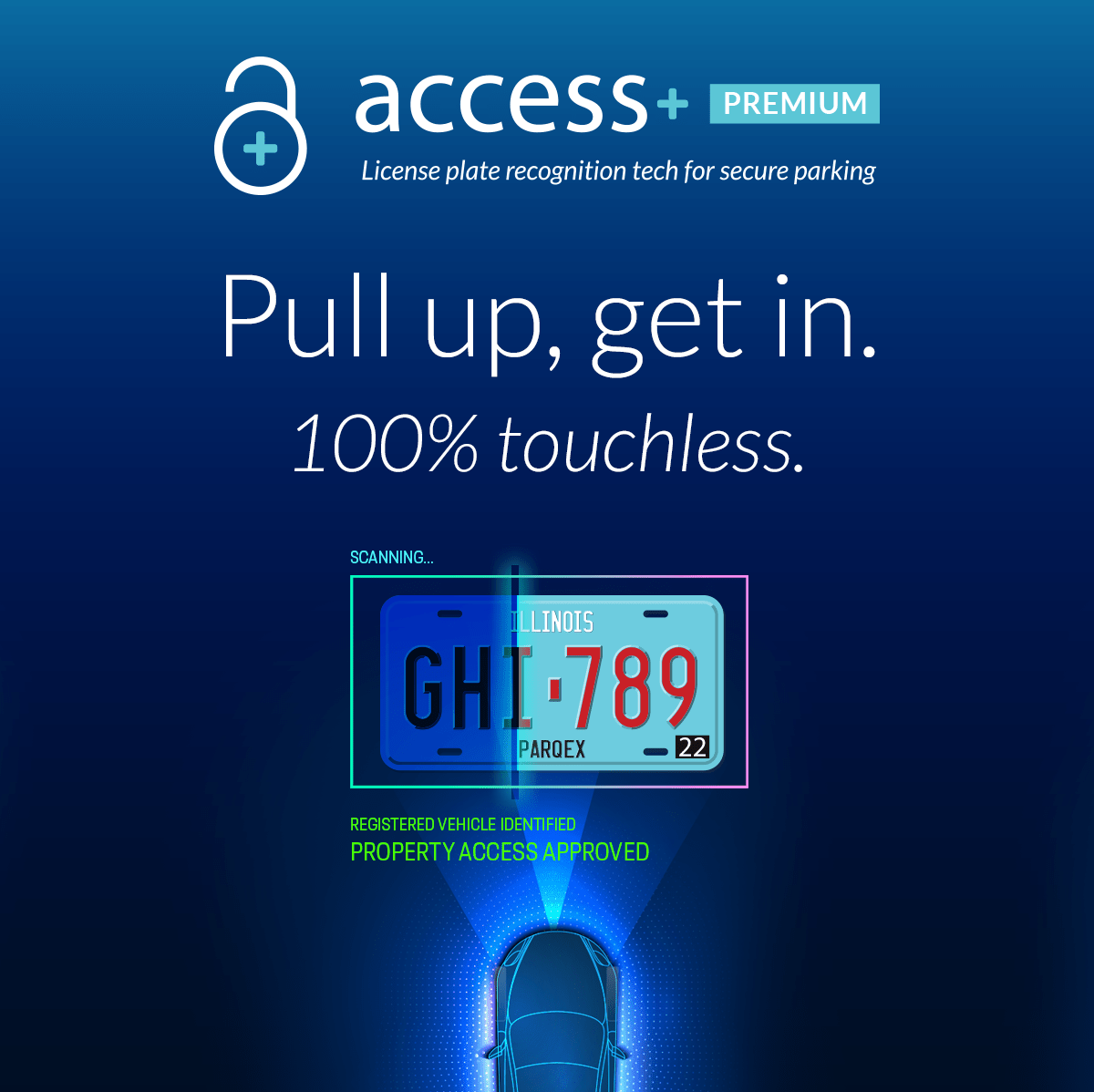
- Access parking digitally
- Move between locations seamlessly
4. Dynamically Allocate Spaces
This is where aggregation really creates value.
Parking is assigned based on:
- Time of day
- User type
- Real-time demand
The result is higher utilization, better experiences, and increased revenue potential.
Real-World Use Cases for Parking Aggregation
Parking aggregation is already being used across multiple property types to solve real operational challenges.
Multifamily Properties
- Manage overflow parking more effectively while aligning with evolving apartment parking requirements.
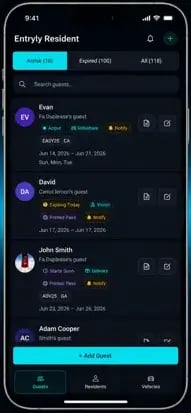
- Provide flexible guest parking without adding infrastructure
Mixed-Use Developments
- Share parking across residential, retail, and office users through a coordinated mixed-use parking solution.
- Reduce total parking requirements while improving availability
Hospitality & Events
- Source additional parking during peak demand using more advanced hospitality parking management approaches
- Prevent congestion and improve the guest experience
Urban Environments
- Connect fragmented parking supply across neighborhoods
- Reduce the time drivers spend searching for parking
What Happens Without Parking Aggregation?
Without aggregation, parking operations tend to become reactive and inefficient.
You’ll often see:
- Empty spaces during off-peak hours
- Overcrowding during peak demand
- Frustrated residents and guests
- Manual coordination and inefficiency
- Lost revenue opportunities
Parking remains fragmented, and that fragmentation creates friction at every level, often leading to broader parking compliance challenges.
How Technology Enables Parking Aggregation
Parking aggregation at scale isn’t possible without the right technology layer.
Modern platforms provide:
- Centralized parking management
- Real-time availability tracking
- Digital access control
- Integrated enforcement tools
- Data-driven optimization
Solutions like ParqEx bring these capabilities together, allowing properties to turn disconnected parking assets into a cohesive, scalable system.
The Future of Parking is Aggregated
Parking is no longer just about managing what you own.
It’s about understanding what exists around you and using it more intelligently through smart parking solutions.
As cities grow and mobility patterns evolve, parking aggregation will play a key role in:
- Reducing congestion
- Increasing asset efficiency
- Supporting flexible development
- Unlocking new revenue streams
Final Takeaway
Parking aggregation represents a fundamental shift in mindset.
It moves the conversation away from: “How many spaces do we have?” and toward: “How can we use all available parking more effectively?”
That shift is what defines modern parking strategy — and it’s quickly becoming the standard for forward-thinking properties.