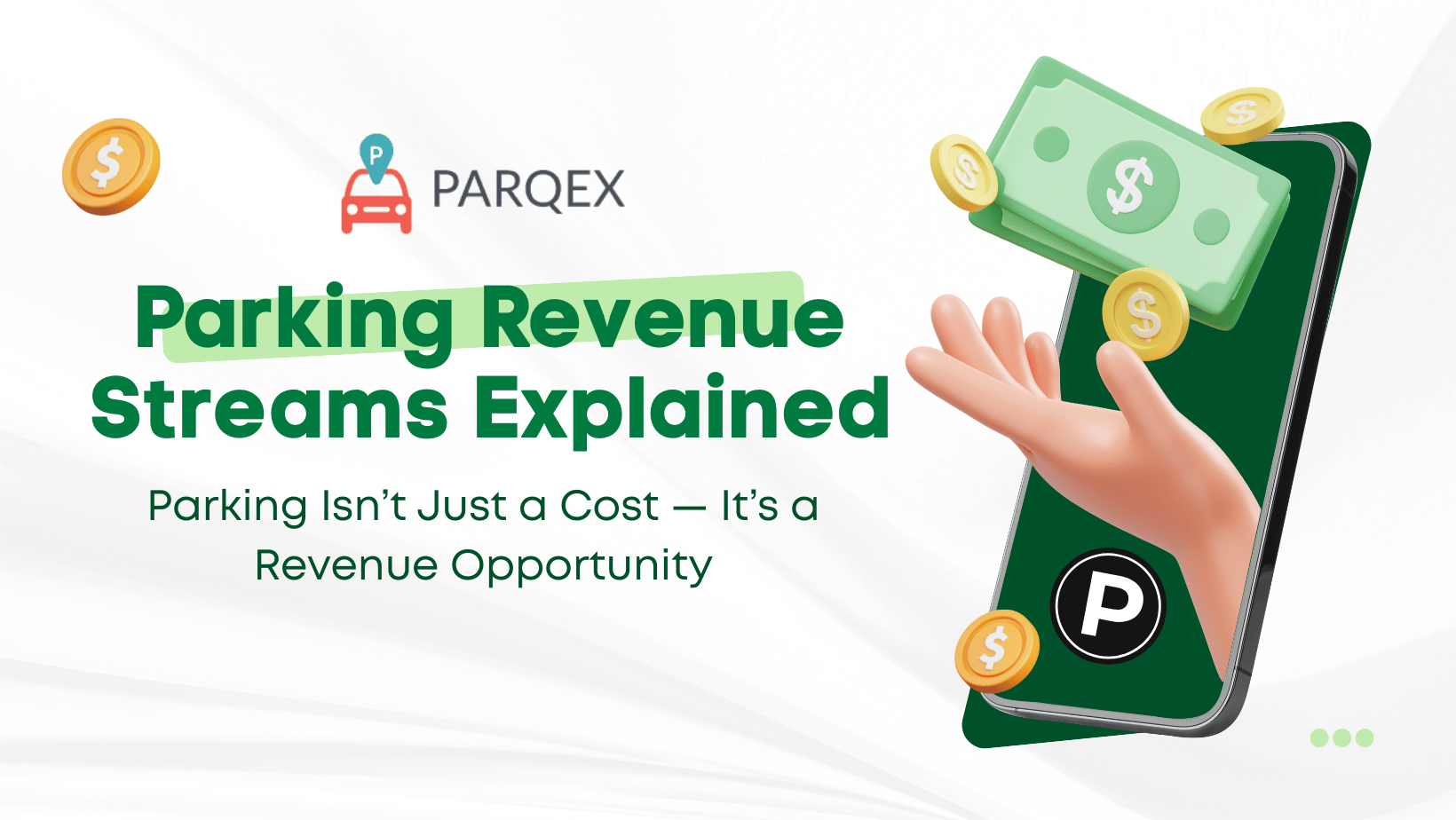



Parking Is No Longer Just a Cost Center
For years, parking has been treated as a fixed asset. You build it, assign it, and maintain it.
But that model is starting to shift.
Today, more properties are looking at parking as a source of revenue rather than just an operational expense. The challenge is that many are still only capturing a small portion of what is possible.
In reality, parking revenue is not limited to one strategy. It comes from a combination of systems, policies, and demand management working together as part of broader modern parking management strategies.
Why Most Properties Underperform on Parking Revenue
A shocking truth: many properties are sitting on underutilized parking assets without realizing it.
Common issues include:
- Flat pricing models that do not reflect parking demand
- Empty parking spaces during off-peak hours
- Poorly managed guest parking
- Weak enforcement leading to misuse
- No visibility into how spaces are actually used
These gaps often stem from a lack of structure in overall parking operations, which prevents properties from maximizing value.
The Core Ways Properties Generate Parking Revenue
Parking revenue does not come from one source. It comes from layering multiple strategies together.
1. Monthly Parking and Permits
Monthly parking remains the foundation of most parking revenue programs.
Whether it’s an apartment community, office building, hospital, or mixed-use development, recurring permit revenue creates predictable income while helping operators control access and allocate spaces more effectively.
Properties typically generate revenue through:
- Monthly parking fees
- Reserved parking permits
- Employee parking programs
- Tiered access levels
Modern systems have evolved far beyond paper permits, especially with the shift toward permit parking management and the broader evolution of parking permits.
For many properties, this is where parking monetization begins.
2. Guest and Visitor Parking
Guest parking is often treated as a convenience feature, but it can also be a meaningful source of revenue when managed correctly.
Many operators underestimate how frequently guest spaces are used and how much operational friction they create when left unmanaged.
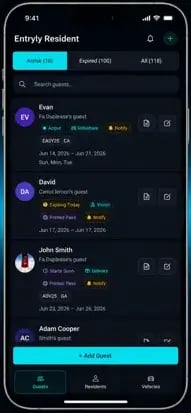
A structured guest parking program can help properties:
- Generate short-term revenue
- Improve turnover
- Reduce misuse
- Increase visibility into parking activity
This becomes especially important in properties where guest parking is always full or contributes to broader parking compliance challenges.
What starts as a guest parking problem often becomes a larger parking operations problem.
3. Event and Transient Parking
Some of the highest-value parking revenue opportunities come from short-term demand.
Think about a hotel near a stadium, an office building that sits largely empty on weekends, or a mixed-use development located near a popular event venue.
During peak demand periods, those spaces suddenly become valuable assets.
Properties can capture revenue through:
- Event parking
- Hourly parking
- Daily parking
- Weekend demand periods
Organizations that can source event parking effectively and implement strong event parking controls often unlock revenue that would otherwise go uncaptured.
4. Premium and Reserved Spaces
One of the biggest mistakes properties make is treating every parking space the same.
The reality is that some spaces are simply more desirable than others. A covered space, a spot close to the entrance, or a dedicated EV location often carries significantly more value in the eyes of drivers.
Premium offerings may include:
- Reserved spaces
- Covered parking
- VIP parking
- EV-designated parking
- Priority-access locations
Many properties successfully generate additional income through structured VIP parking experiences and operational enhancements like valet parking workflows.
The inventory does not change. The perceived value does.
5. Shared and Mixed-Use Parking
Not every parking space is needed by the same user at the same time.
An office lot may sit largely empty at night. Residential spaces may go unused during the workday. Retail demand may fluctuate throughout the week.
This creates opportunities to improve utilization through:
- Shared parking agreements
- Mixed-use parking models
- Time-based allocation
- Cross-property access
This is where mixed-use parking solutions become particularly effective.
The goal is simple: generate more value from the same physical inventory.
6. Off-Site and Aggregated Parking Supply
Many operators assume parking revenue is limited by the number of spaces on-site.
That is not always true.
Properties can often expand their effective parking inventory without construction by leveraging nearby assets and unused capacity.
Strategies may include:
- Partnering with nearby lots
- Leasing overflow inventory
- Creating shared parking agreements
- Connecting multiple facilities together
Approaches like parking aggregation allow properties to tap into parking resources that already exist around them.
For many organizations, this is one of the fastest ways to increase parking capacity without major capital investment.
7. Enforcement and Compliance
Revenue strategies only work when the spaces being sold or assigned are protected.
If unauthorized vehicles regularly occupy paid spaces, guest parking is abused, or violations go unchecked, the value of the entire parking program begins to erode.
Strong enforcement helps properties:
- Protect paid inventory
- Reduce unauthorized use
- Improve turnover
- Maintain compliance
- Support revenue programs
This becomes especially important in properties dealing with unauthorized parking and broader parking enforcement challenges.
Enforcement is not just operational. It protects revenue.
8. EV Charging and New Revenue Streams
As EV adoption continues to grow, parking operators are discovering entirely new ways to generate revenue.
What was once simply a parking space can now become a charging destination with its own pricing structure and utilization strategy.
Revenue opportunities may include:
- Charging fees
- Premium EV spaces
- Subscription access
- Usage-based pricing
Strategies focused on unlocking EV revenue and control, and maximizing NOI with EV are becoming increasingly common across real estate portfolios.
For many properties, EV parking represents one of the fastest-growing revenue categories.
9. Data, Pricing, and Optimization
Many parking decisions are still made based on assumptions.
A property manager may believe demand is high, occupancy is low, or pricing is appropriate. But without data, it is difficult to know for sure.
This is where analytics become powerful.
With parking analytics and reporting, properties can:
- Identify underutilized inventory
- Understand demand patterns
- Adjust pricing strategies
- Improve allocation decisions
- Track performance over time
Data is often the difference between a parking asset that generates revenue and one that simply exists.
How Technology Ties It All Together
Each of these revenue streams can exist independently, but they become far more effective when managed together.
Modern systems allow properties to:
- Manage access across different user types
- Monitor availability in real time
- Automate enforcement
- Adjust pricing and allocation
These capabilities are part of broader smart parking solutions that help unify parking into a single, manageable system.
Solutions like ParqEx help bring these strategies together so properties can operate more efficiently and capture more value.
The Shift from Fixed Parking to Flexible Revenue
The biggest change happening in parking is not about adding more spaces.
It is about using existing space more effectively.
Instead of asking: “How many spaces do we have?”
The better question is: “How can we generate more value from the spaces we already have?”
That shift is what defines modern parking strategy.
Final Takeaway
Parking revenue is not a single tactic. It is the result of multiple strategies working together.
Properties that take a structured approach to parking are able to:
- Increase revenue without expanding infrastructure
- Improve user experience
- Reduce operational friction
And most importantly, they turn parking into something that actively contributes to the property’s performance.