

Unauthorized Parking Is More Than Just an Annoyance
If you manage any type of property, unauthorized parking is not uncommon. It comes up all the time.
A resident takes a guest space. A non-tenant parks in a reserved spot. A delivery vehicle blocks access for longer than it should. Sometimes a car just sits there for days, and no one knows who it belongs to.
Individually, these situations do not seem like a big deal. But over time, they start to create friction.
Unauthorized parking leads to:
- Frustration from residents and tenants
- Reduced availability
- More complaints and disputes
- Missed revenue opportunities
More importantly, it is usually a sign that your parking operations are not fully under control.
What Is Unauthorized Parking?
Unauthorized parking is exactly what it sounds like. A vehicle is using a space without permission.
That might mean:
- Parking without a permit
- Using someone else’s assigned space
- Staying longer than allowed
- Parking in a restricted or reserved area
- Non-customers using private lots
The definition is simple, but how it shows up can look very different depending on the type of property you manage.
Why Unauthorized Parking Happens
Most of the time, people are not trying to break the rules. They are taking advantage of gaps in the system.
Common causes include:
- No clear parking policy
- Inconsistent enforcement
- No real structure for guest parking
- Limited visibility into who is parked where
- High demand and limited supply
When those gaps exist, people start to test boundaries. If nothing stops them, it quickly becomes routine. This is especially common in properties dealing with broader parking demand challenges.
How Unauthorized Parking Shows Up Across Property Types
Unauthorized parking is not one-size-fits-all. It looks different depending on the environment.
Residential (Apartments, Condos, HOAs)
In residential settings, the issues are usually familiar:
- Residents using guest spaces long-term
- Guests staying longer than allowed
- Vehicles without permits in assigned spaces
- Unknown cars appearing in gated or ungated areas
In most cases, this comes back to unclear rules or inconsistent enforcement.
This is where strong parking compliance and clearly defined policies make a noticeable difference.
Commercial and Retail Properties
Retail and commercial lots deal with a different kind of pressure.
Common issues include:
- Non-customers parking for long periods
- Nearby residents using retail parking overnight
- Employees taking up customer spaces
When this happens, turnover drops and the customer experience starts to suffer.
It also directly impacts revenue, which is why it is often tied to weak parking revenue management.
Mixed-Use Developments
Mixed-use properties introduce complexity because multiple groups are sharing the same asset.
Unauthorized parking often shows up when:
- Residents use retail or office spaces
- Office users stay past their allowed time
- Guests park in the wrong zones
Without structure, overlap becomes inevitable. This is where mixed-use parking solutions become necessary.
Hospitality and Events
Hotels and event venues face fluctuating demand, creating more opportunities for misuse.
You might see:
- Non-guests using hotel parking
- Event attendees staying longer than expected
- Vehicles lingering after events
These problems usually point back to a lack of control during peak periods, especially when there are no clear event parking controls or systems in place to source event parking effectively.
Hospitals and Institutional Parking
Hospitals and campuses tend to deal with access issues more than anything else.
Typical problems include:
- Visitors parking in staff areas
- Employees using patient parking
- Long-term parking in short-term zones
These issues can affect operations quickly if access is not clearly managed.
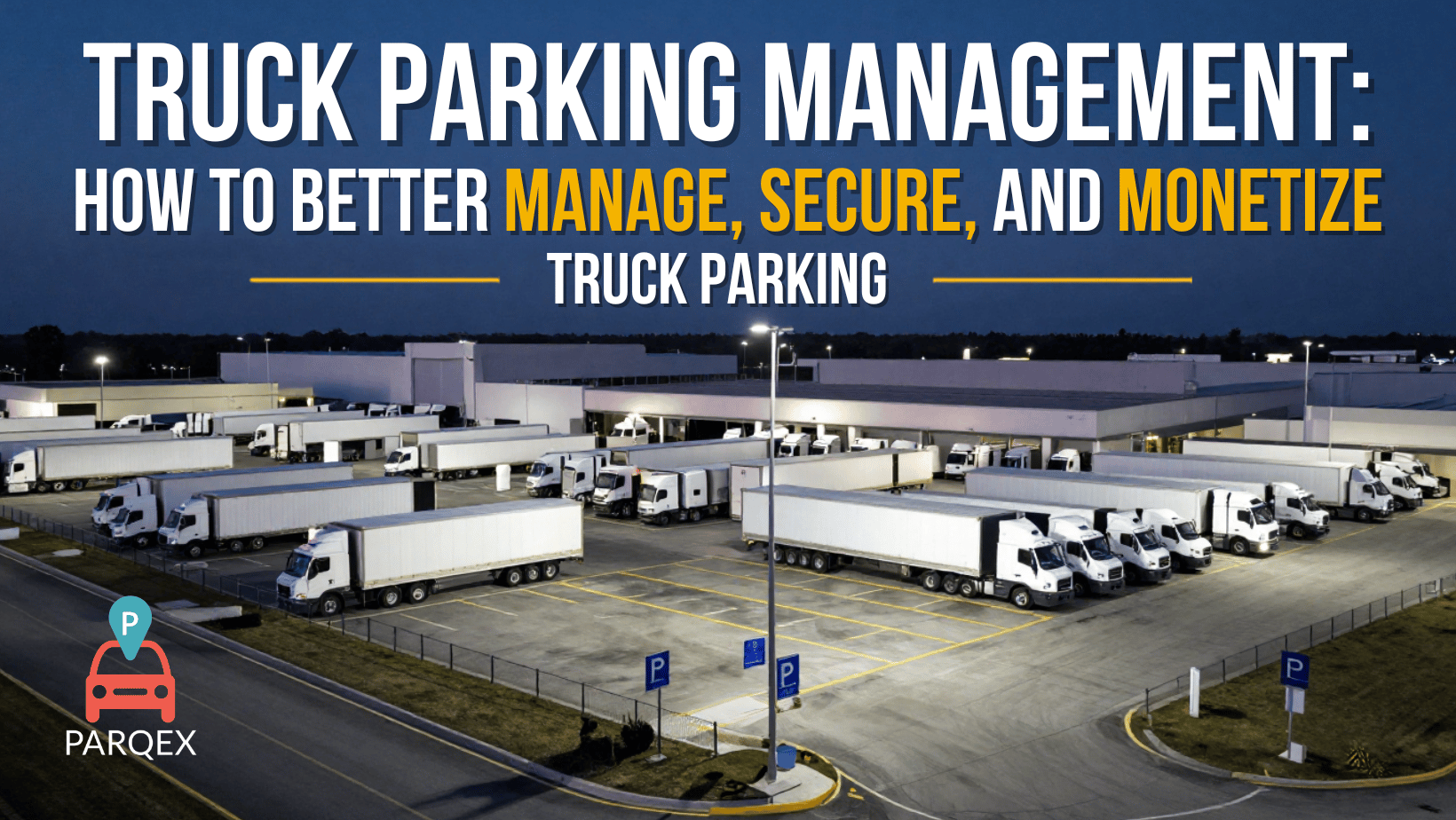
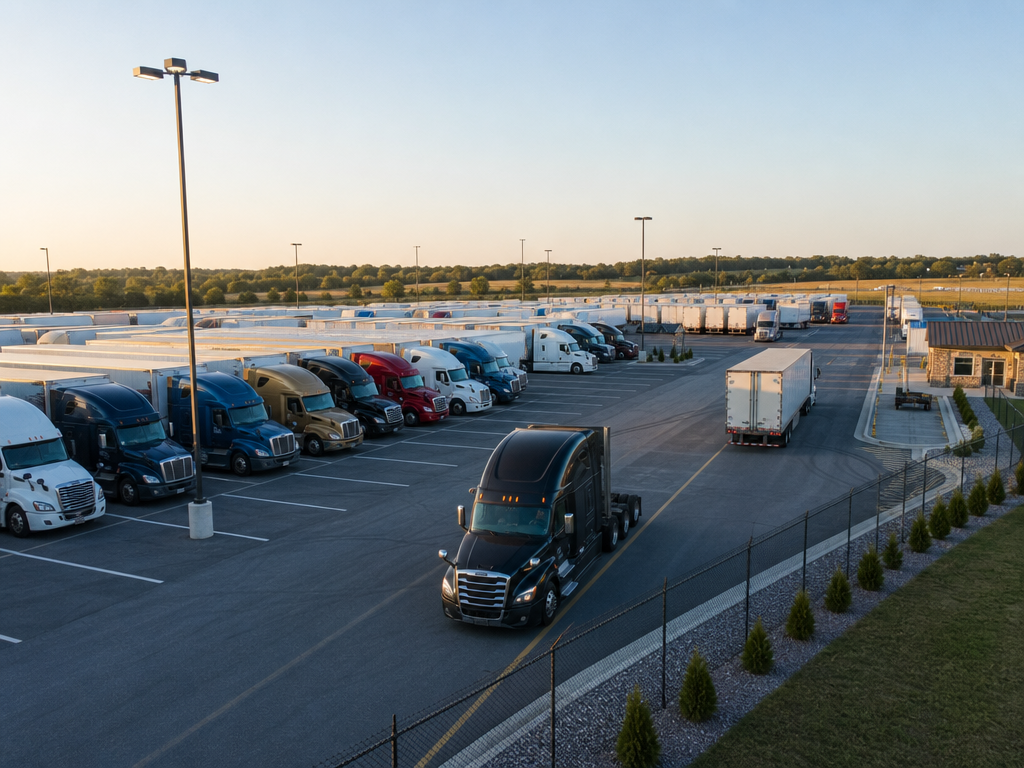
Truck, Industrial, and Logistics Parking
In industrial environments, unauthorized parking can have a bigger operational impact.
This often includes:
- Trucks parking overnight without permission
- Vehicles blocking loading or staging zones
- Overflow from nearby facilities
Because of the scale of these vehicles, enforcement needs to be consistent and visible.
The Real Cost of Unauthorized Parking
Unauthorized parking is not just inconvenient. It adds up.
Over time, it can lead to:
- Lost revenue from unpaid or misused spaces
- Higher enforcement and management costs
- Ongoing frustration from residents and tenants
- More complaints to manage
- Less trust in the system overall
A lot of this ties back to the hidden cost of poor parking management, which is often overlooked until problems become constant.
How to Fix Unauthorized Parking
Step 1: Establish a Clear Parking Policy
Everything starts with clarity.
A strong parking policy should clearly define:
- Who can park
- Where they can park
- When they can park
- What happens when rules are broken
Without this, enforcement becomes inconsistent and difficult to maintain.
Step 2: Improve Visibility and Access Control
If you cannot see what is happening, you cannot manage it.
You need systems that allow you to:
- Track who is parked on your property
- Identify unauthorized vehicles quickly
- Understand usage patterns over time
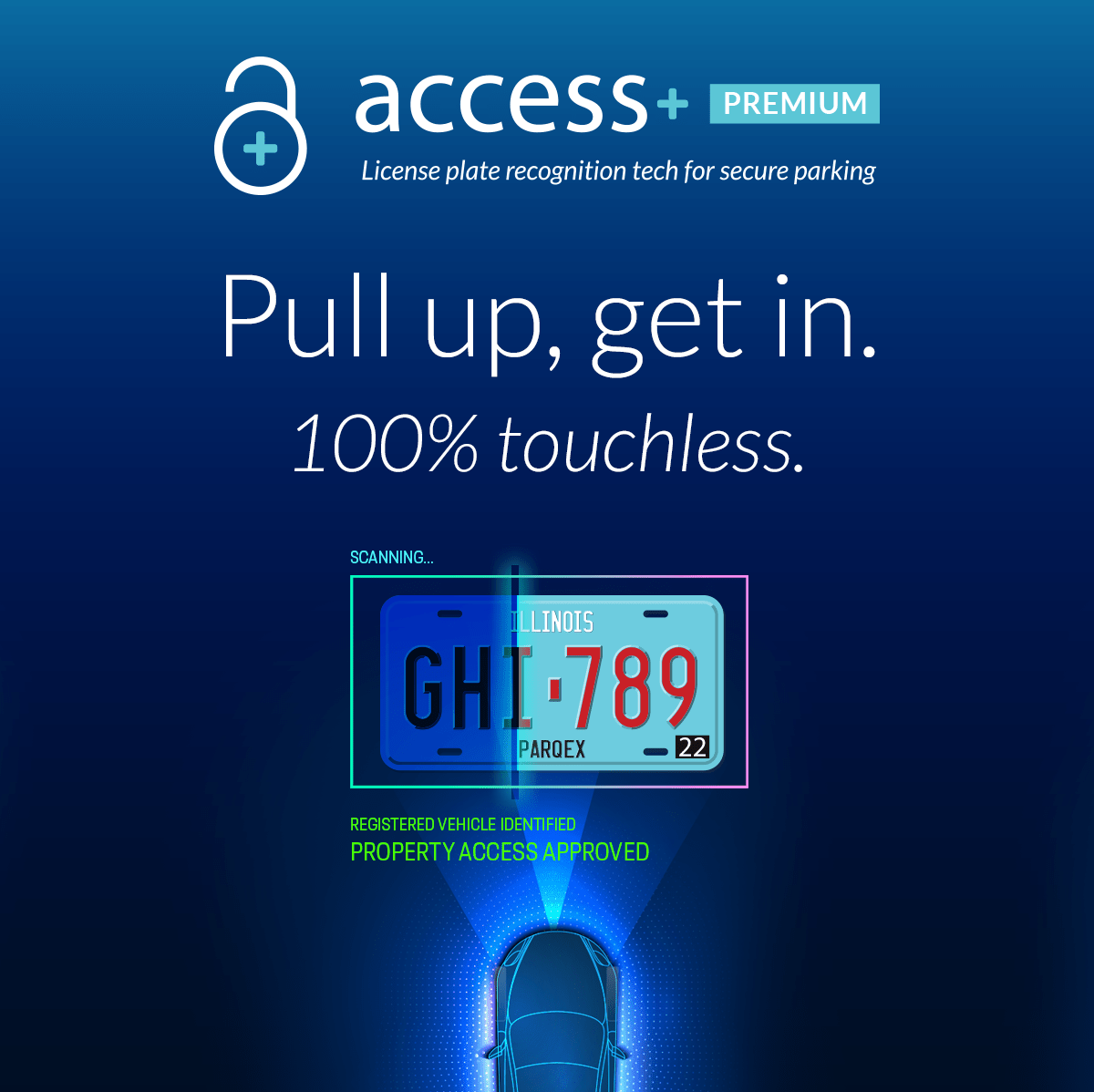
This is where tools like license plate recognition (LPR) and digital permits become useful.
Step 3: Strengthen Enforcement
Rules only work if they are applied consistently.
Good enforcement should:
- Be predictable
- Apply to everyone equally
- Clearly communicate consequences
This becomes even more important in areas with city parking enforcement or private enforcement programs.
Step 4: Structure Guest Parking
Guest parking is one of the most common sources of misuse.
Without structure, it tends to spill into other areas and create conflict.
A simple system with:
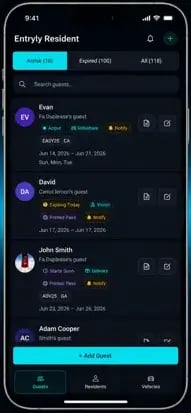
- Registration
- Time limits
- Designated areas
can make a big difference quickly.
Step 5: Use Data to Identify Patterns
Unauthorized parking is not random. Patterns show up over time.
You will start to notice:
- Repeat offenders
- Specific locations with more violations
- Certain times when misuse increases
Using parking analytics and reporting, you can start addressing these issues before they escalate.
How Technology Helps Prevent Unauthorized Parking
Modern systems make it easier to stay ahead of the problem.
With the right setup, you can:
- Automate enforcement
- Issue digital permits
- Monitor access in real time
- Reduce manual oversight
These tools are often part of broader smart parking solutions that help properties stay organized and consistent.
Solutions like ParqEx help bring everything into one system so you don’t have to manage it manually.
Final Takeaway
Unauthorized parking is rarely just about someone breaking the rules. It usually points to gaps in how parking is structured and managed.
When those gaps are addressed through clear policies, consistent enforcement, and better visibility, the problem becomes much easier to control.
In most cases, it does not require stricter rules. It requires a better system, supported by modern parking management strategies.
Frequently Asked Questions About Unauthorized Parking
Unauthorized parking is when a vehicle uses a parking space without proper permission, such as parking without a permit or using a reserved space.
You can reduce unauthorized parking by setting clear rules, enforcing them consistently, and using tools like permits and access control systems.
It depends on local laws and the type of property. In private lots, it can result in fines, towing, or enforcement actions.
The most effective approach combines clear policies, consistent enforcement, and tools that provide visibility and automation.
Technology allows you to monitor usage, automate enforcement, and ensure that only authorized users are accessing parking spaces