


Not Enough Parking Is a Symptom, Not the Root Problem
If you manage a property, you’ve probably heard this before:
“There’s never anywhere to park here!”
It’s one of the most common and frustrating complaints across residential, mixed-use, and commercial properties. And while it often feels like a supply issue, that’s not always the case.
In many situations, the problem is not that parking is unavailable. It’s that the spots that do exist are not being used effectively, especially without strong parking operations in place.
Understanding that difference is what separates reactive fixes from long-term solutions.
Why Parking Shortages Happen
Parking shortages seldom stem from a single issue. More often, they result from multiple factors working together.
Some common causes include:
- Poor space allocation across user groups
- Underutilized spaces during specific times of day
- Guest vehicles overwhelming available capacity
- Lack of enforcement leading to unauthorized vehicles
- Fixed policies that do not reflect real demand
When these issues overlap, parking starts to feel limited, even when capacity technically exists. This is where broader parking demand challenges begin to surface.
Step 1: Evaluate How Spots Are Actually Being Used
Before making changes, you need a clear picture of what is happening on your property.
Look at:
- When demand peaks
- Which areas are consistently full
- Which spaces sit empty
- How different user groups park
This step is often overlooked, but it is critical. Without it, decisions are based on assumptions instead of data, instead of insights from parking analytics and reporting.
Step 2: Fix Allocation Before Adding Supply
A common instinct is to assume additional spaces are needed. But building or leasing more spaces is expensive and often unnecessary.
Rather, properties should start by adjusting how existing spots are allocated.
This might include:
- Reassigning underused reserved spaces
- Introducing shared parking between groups using mixed-use parking solutions
- Adjusting access based on time of day
Small changes in allocation can unlock significant capacity.
Step 3: Improve Guest Parking Management
Guest parking is one of the fastest ways a system can become overloaded.
Without structure, it tends to:
- Spill into resident spaces
- Create confusion and conflict
- Reduce overall availability
Implementing a clear guest parking system can dramatically improve availability without adding spaces and reduce common parking compliance challenges.
This includes:
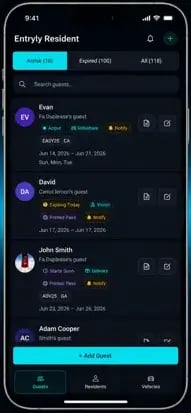
- Digital vehicle registration
- Time limits
- Defined guest spaces
Step 4: Strengthen Enforcement
Even expertly well-designed systems fail without consistent enforcement.
When enforcement is weak or inconsistent:
- Unauthorized vehicles take up valuable space
- Rules suddenly become optional
- Residents lose trust in the system and frustrations increase
Strong enforcement, especially when aligned with a clear parking policy, ensures that parking is used as intended and helps protect availability.
Step 5: Explore Off-Site and Shared Parking Options
When on-site adjustments are not enough, expanding your available options can be a smart next step.
But this does not always mean building more parking.
Instead, properties can:
- Partner with nearby lots or garages
- Use off-site spots during peak demand
- Share spaces with neighboring properties through parking aggregation
This approach is often faster and more cost-effective than adding new infrastructure.
Step 6: Use Data to Optimize Over Time
Parking is not static. Demand changes over time, and your strategy should too.
By tracking usage and patterns, properties can:
- Identify recurring bottlenecks
- Adjust allocation and pricing
- Continuously improve availability
Without data, management becomes reactive. With data, it becomes part of broader modern parking management strategies.
How Technology Helps Solve Shortages
Modern systems make it possible to manage supply more intelligently.
With the right tools, properties can:
- Monitor availability in real time
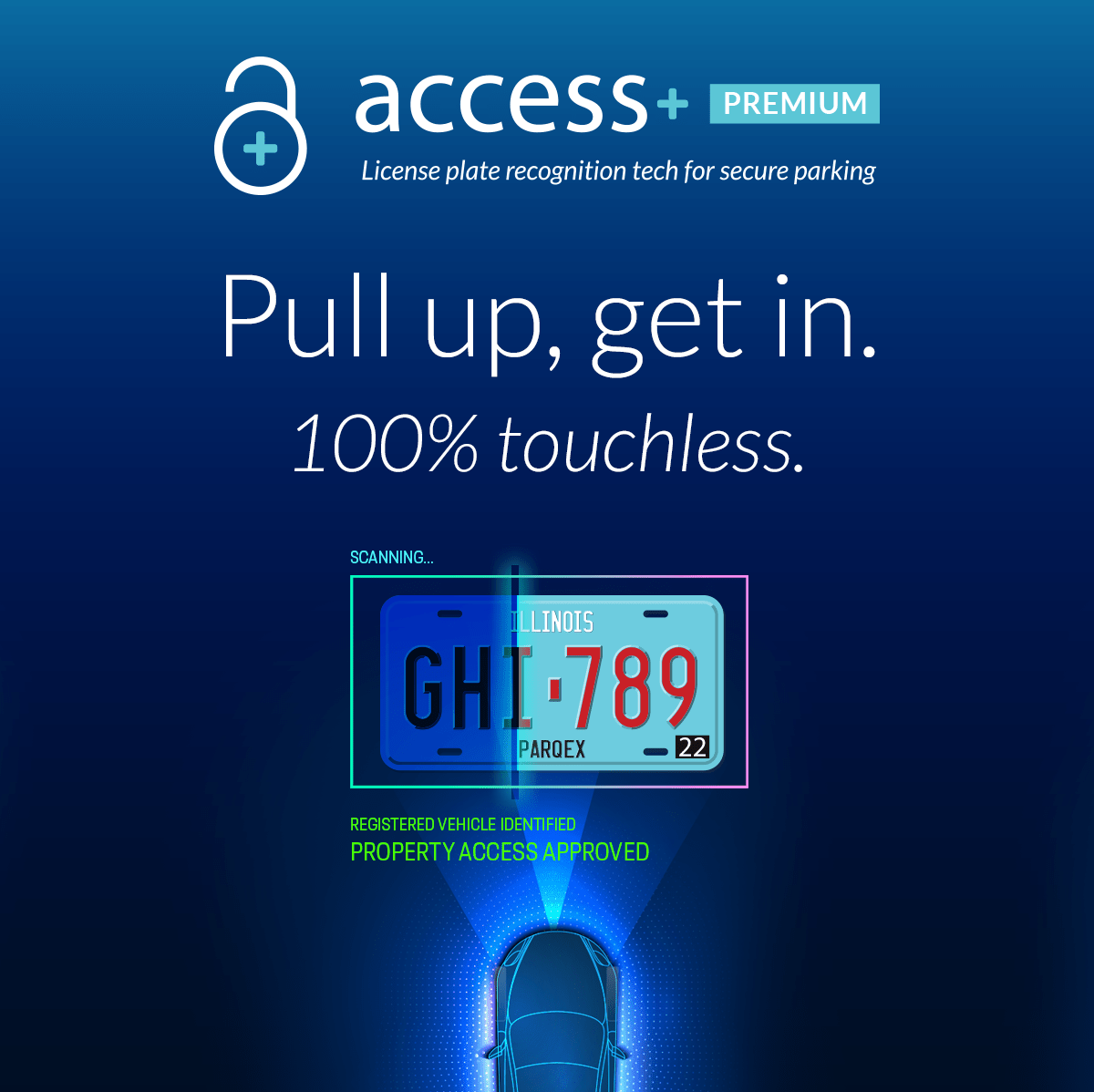
- Control access across different user groups
- Automate enforcement
- Optimize spot allocation dynamically
Solutions like ParqEx help properties turn limited spots into a more flexible and efficient system.
The Shift from “Not Enough Parking” to “Better Parking Management”
The biggest shift is not adding more spaces. It is thinking about parking differently.
Instead of asking:
“How do we add more spaces?”
The better question is:
“How do we use the spaces we already have more effectively through smart parking solutions?”
That shift leads to better outcomes, lower costs, and a better experience for everyone on the property.
Final Takeaway
If your property feels like parking is limited or unavailable, start by looking at how your spots are being used today.
In many cases, the solution is not more supply. It is better management.
When parking is structured, enforced, and optimized properly, availability improves, complaints decrease, and the entire system works more smoothly.
Frequently Asked Questions
Shortages are usually caused by poor allocation, lack of enforcement, high guest demand, or underutilized spaces rather than an actual lack of supply.
Start by evaluating how it is being used, then improve allocation, manage guest access, enforce rules consistently, and consider shared or off-site options.
Yes. Many shortages can be resolved by optimizing existing spaces through better allocation, shared spaces, and improved enforcement.
Apartments typically solve issues by implementing policies, managing guests, enforcing rules, and using technology to monitor and optimize usage.
The fastest way is usually improving utilization by reallocating underused spaces and controlling guest parking.