
Accessible Parking Enforcement That Works
Accessible parking enforcement isn’t just about parking rules and regulations; it’s about respect, access, and fairness. All too often, accessible parking spaces are unfortunately misused by those who do not need them, leaving the people who genuinely do struggle to find safe and convenient parking that they truly rely on.
When used thoughtfully — with ADA compliance and fairness at the forefront — modern accessible parking enforcement tools, such as license plate recognition (LPR), AI-powered badge detection, and integrated digital workflows, empower property managers to prevent misuse while maintaining a fair and efficient process.
This guide explores the challenges of accessible parking misuse, explains how technology can help, and provides practical best practices for using ParqEx to make parking fair and equitable for everyone.
Why accessible parking enforcement matters
Accessible spots are legally required to be near building entrances, properly sized, and clearly marked. When someone parks there without a valid permit, it’s more than just an inconvenience; it’s a barrier for others. When these spaces are misused, people with disabilities may have to walk farther, navigate deeper into parking facilities, and even miss appointments.
Accessible parking enforcement ensures these spaces are reserved for those who genuinely need them. It’s about fairness, safety, and compliance with ADA standards, and it’s actually easier than ever with the right set of smart parking tools.
How smart parking technology can help
License Plate Recognition (LPR)
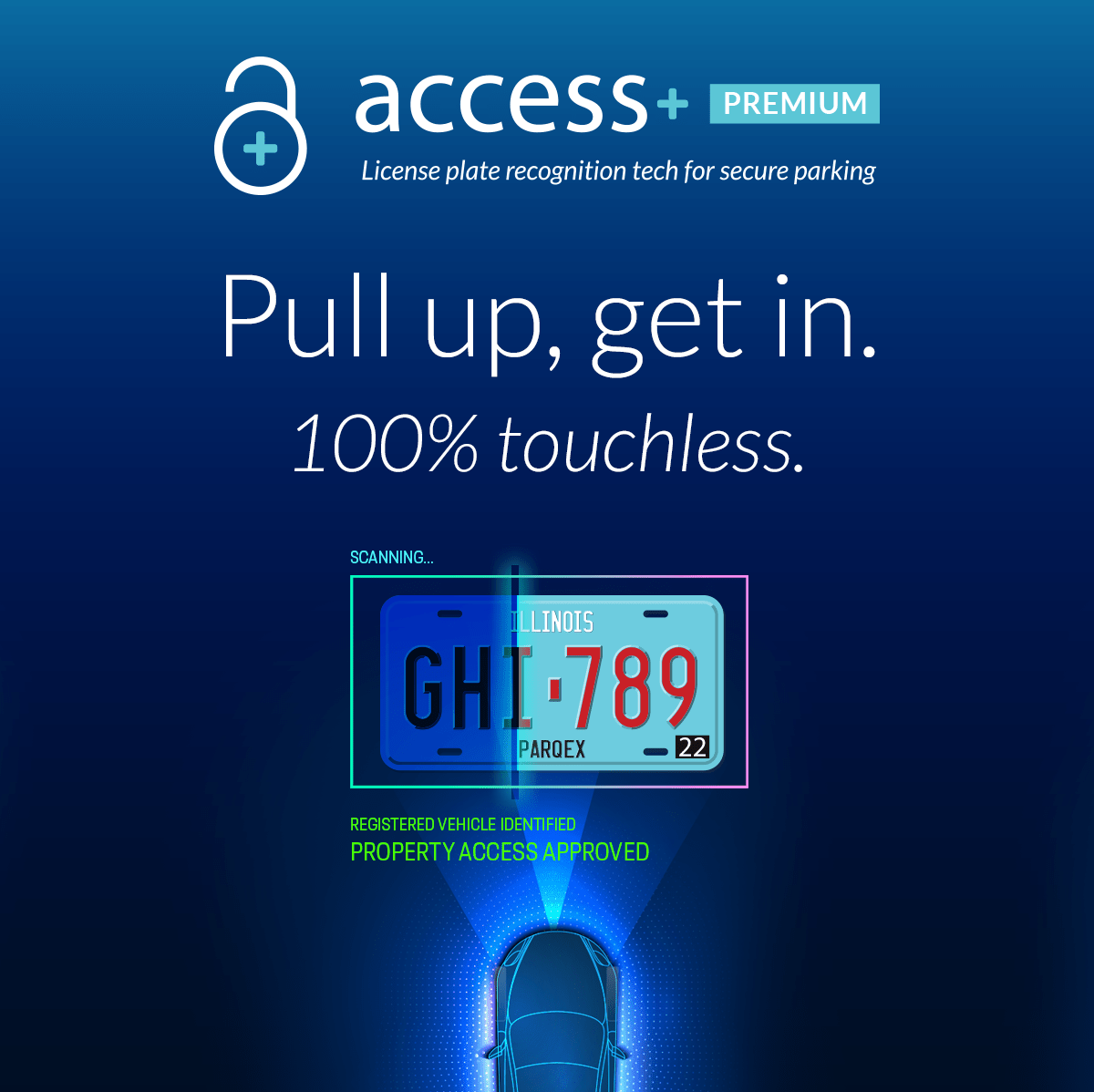
LPR systems automatically read plates and check them against a digital permit database. This speeds up enforcement, reduces human error, and ensures that those with valid permits can park without worry.
AI-powered badge detection
Accessible parking enforcement no longer solely relies on human eyes to look for accessible parking badges and placards. Thankfully, advances in computer vision enable smart parking systems to detect accessible parking placards and badges, verifying that the appropriate vehicles are parked in designated accessible parking spaces. By utilizing deep learning models, AI can flag potential misuse for review, thereby reducing the need for constant manual checks.
Why technology alone isn’t enough
No system is perfect. Bad weather, blurry images, or varying accessible parking badge designs can create false alerts in the system. That’s why human review is essential!
Research finds
- Deep-learning models, such as YOLO (You Only Look Once) and Convolutional Neural Networks (CNNs), are highly effective in detecting various objects, particularly vehicles and license plates.
- Systems that combine LPR and badge detection report higher accuracy, especially when trained on local permit styles.
- Clear parking signage, transparent rules, and an easy appeals process help maintain trust and reduce disputes.
Best practices for equitable, accessible parking enforcement (with ParqEx solutions)
1. Set clear policies and signage
Start with visible, ADA-compliant parking signage that explains rules and penalties. ParqEx helps by both providing custom accessible parking signage and digitally publishing parking policies and enforcement workflows, so residents and guests always know what’s expected.
2. Use multiple technologies together
Relying solely on LPR or badge detection can leave security gaps and allow continued misuse of these spaces. ParqEx utilizes multiple technologies to establish its robust smart parking system. ParqEx’s Access+ LPR integrates with permit management and badge detection, ensuring both digital and visual checks are in place.
3. Keep humans in the loop
AI flags potential issues, but humans make the final decision. ParqEx’s Enforcer App displays flagged cases with photos and timestamps, providing staff and enforcement officers with the necessary context and information to enforce fairly and promptly.
4. Protect users’ privacy
ParqEx enables properties to store only the necessary data and adhere to data retention policies that meet regulatory requirements. Residents, tenants, employees, and users can trust that the system respects their privacy while maintaining effective enforcement.
5. Customize for local placards
Accessible parking badges and placards vary by state and region. ParqEx’s AI can be trained for local designs, reducing false alerts and ensuring accurate, accessible parking enforcement.
6. Make citations and appeals transparent
With ParqEx, staff can issue warnings, document incidents, upload photo evidence, and handle any appeals online through the app. Residents and visitors can also easily submit evidence, ensuring a fair and conflict-free process.
7. Coordinate with towing and law enforcement when necessary
ParqEx generates evidence-rich violation reports that can be shared with tow companies and local authorities, ensuring enforcement aligns with local codes and regulations.
Tips and pitfalls to watch
- Some cases are particularly challenging, as they involve caregivers, temporary permits, or hidden disabilities, which require discretion. Communication is critical in these instances, and ParqEx’s platform provides lines of contact when needed.
- AI models require periodic retraining to maintain accuracy. ParqEx makes this easy.
- Local laws vary — Check ADA compliance requirements for accessible parking and codes before issuing fines.
Quick checklist for property managers
- Post ADA-compliant signage and rules.
- Use ParqEx Access+ LPR + AI badge detection.
- Review flagged cases in the Enforcer app before issuing citations.
- Protect privacy with ParqEx’s retention and redaction tools.
- Train staff on appeals and ADA policies.
- Audit performance quarterly and retrain AI when needed.
Fairness matters in parking, too!
Accessible parking isn’t just about convenience; it’s about equity and compliance. When used thoughtfully, smart parking enforcement restores fairness and protects the people who rely on these spaces.
With ParqEx’s integrated solutions (LPR, AI badge detection, Enforcer app, guest registration, and digital appeals workflows), property managers can make accessible parking enforcement smarter, fairer, and easier than ever.
Ready to take the next step in protecting your accessible parking? Book a demo with ParqEx today.