


Parking is one of the most common sources of complaints at residential and mixed-use properties. Residents fight over spaces, guests park where they shouldn’t, unauthorized vehicles sit for days without moving, delivery drivers block fire lanes, and property managers are often left in the middle, trying to enforce rules written years ago. This is where parking compliance becomes essential.
Parking compliance is not just about proper enforcement; it is about creating a system where parking rules are clearly communicated, unfailingly applied, and backed by technology that makes following parking rules and regulations easy for residents and manageable for staff.
When done correctly, parking compliance protects resident access, reduces conflict, and improves overall property operations.
In this guide, we will explore what parking compliance really means, why it is so difficult for many properties to maintain, and how modern digital parking tools are helping property managers create consistent, fair parking systems.
What Is Parking Compliance?
Parking compliance refers to the process of ensuring that vehicles using a property’s parking areas follow established parking rules.
These rules can include things like:
• Resident parking permit requirements
• Guest parking limitations
• Reserved or assigned parking spots
• Time-limited parking zones
• Fire lane restrictions
• Accessible parking regulations
• Loading and delivery zones
When a property maintains firm parking compliance, it means these parking rules are clear, respected, and consistently enforced.
Without adherence, parking quickly becomes chaotic.
Residents start ignoring assigned spaces. Guests occupy limited visitor parking all day. Unauthorized vehicles appear and remain unnoticed for weeks. And chaos has officially taken over!
Strong parking management practices and adherence to rules ensure that parking functions as intended and that residents can reliably access the spaces allocated to them.
Why Parking Compliance Is So Difficult for Properties
Even properties with clearly written parking policies often struggle to maintain consistent compliance. This is not usually because the rules are poorly designed. Instead, the challenge comes from how those rules are managed day-to-day.
Several common factors make ensuring parking policies are followed difficult to maintain.
Manual systems create gaps
Many properties still rely on manual processes such as paper permits, printed hang tags, spreadsheets, or physical visitor passes. These systems are difficult to track and almost impossible to audit.
When management cannot easily verify which vehicles belong on the property, enforcement becomes inconsistent.
Guest parking is hard to manage
Visitors create one of the biggest compliance challenges. Residents want to host friends, family, contractors, and deliveries, but properties often have limited guest parking available.
Without a system for registering guests or tracking visitor stays, these spaces can quickly fill up with long-term parkers.
Enforcement feels confrontational
Towing and aggressive enforcement can quickly escalate tensions between residents and property management. Many managers are cautious about enforcing rules because they want to avoid conflict.
Unfortunately, inconsistent enforcement often leads to even more complaints.
Parking demand changes over time
As properties evolve, parking demand shifts. More residents may own vehicles. Ride-share drivers may frequently enter the property. Delivery services may create temporary congestion.
Older parking rules often fail to account for these changing patterns.
Common Parking Compliance Problems
When maintaining parking rules begins to break down, certain problems tend to appear repeatedly across properties.
Unauthorized parking
Vehicles without permits or authorization occupy resident or reserved spaces. These may belong to guests, nearby residents, or commuters who discover the lot.
Visitor parking abuse
Spaces designated for short-term guests are used for long-term parking. Residents may store secondary vehicles in visitor areas, leaving little space for actual guests.
Assigned space conflicts
Residents may park in the wrong spaces, intentionally or accidentally, leading to disputes with neighbors.
Abandoned or inactive vehicles
Vehicles that rarely move can remain parked for weeks or months without detection.
Fire lane or restricted zone violations
Unauthorized parking in restricted areas can create safety hazards and regulatory compliance risks.
When these problems persist, residents often feel that parking rules are not being enforced fairly.
Parking Compliance for HOAs and Multifamily Communities
HOAs and multifamily communities face unique parking rule enforcement challenges because they must balance enforcement with resident relationships.
Unlike public parking facilities, residential properties serve a closed community where the same residents interact with management daily.
Common multifamily and HOA parking policy compliance issues include:
• Limited parking supply compared to the number of vehicles needing parking
• Multiple vehicles per household
• Guests staying overnight or for extended visits
• Contractors and service providers needing temporary access
• Enforcement policies that must align with community bylaws
Because of these dynamics, property managers must enforce parking rules while maintaining a positive resident experience.
This often requires a more transparent and structured compliance system, rather than relying solely on disciplinary enforcement.
Traditional Parking Enforcement vs Digital Parking Compliance
Historically, properties relied on physical parking enforcement methods, like towing, ticketing, and manual patrols, to maintain parking rule compliance.
While these traditional approaches can address individual violations, they often fail to create lasting compliance because they focus only on punishment rather than prevention.
Traditional enforcement methods typically include:
• Paper permits or hang tags
• Physical visitor passes
• Manual vehicle registration logs
• Security patrols issuing warnings or tickets
• Towing as the primary enforcement mechanism
These systems are difficult to scale and often create friction with residents.
Digital parking rule management systems platforms take a different approach by focusing on visibility, automation, and consistent rule enforcement.
With digital systems, properties can:
• Register resident vehicles digitally
• Allow residents to manage guest parking through mobile apps
• Track parking authorization in real time
• Monitor compliance across the entire property
• Apply enforcement policies consistently
This reduces uncertainty and makes parking rules easier for everyone to follow.
Parking Compliance vs Parking Enforcement
Parking compliance and parking enforcement are often used interchangeably, but they actually describe two different approaches to managing parking at a property.
Understanding the difference is important because it shapes how parking policies are implemented and how residents experience those policies.
Parking enforcement focuses on responding to violations after they occur.
Parking compliance, on the other hand, focuses on creating systems that prevent violations in the first place.
While both play a role in parking management, they operate very differently.
Parking Enforcement
Parking enforcement is a reactive process. It involves identifying vehicles that violate parking rules and applying consequences such as warnings, citations, or towing.
Traditional parking enforcement methods typically include:
• Patrols checking vehicles manually
• Issuing warning notices or violation tickets
• Booting or towing unauthorized vehicles
• Monitoring fire lanes and restricted zones
These methods can address specific violations, but they often occur after the parking problem has already disrupted residents or property operations.
Because enforcement actions can feel punitive, they sometimes create tension between residents and property management.
Parking Compliance
Parking compliance takes a more proactive approach.
Instead of focusing primarily on punishment, compliance systems aim to make parking rules clear, visible, and easy to follow.
When compliance systems work well, violations become less common because residents understand the rules and have simple tools for following them.
Parking compliance strategies may include:
• Digital resident vehicle registration
• Guest parking management systems
• Clearly defined parking zones and policies
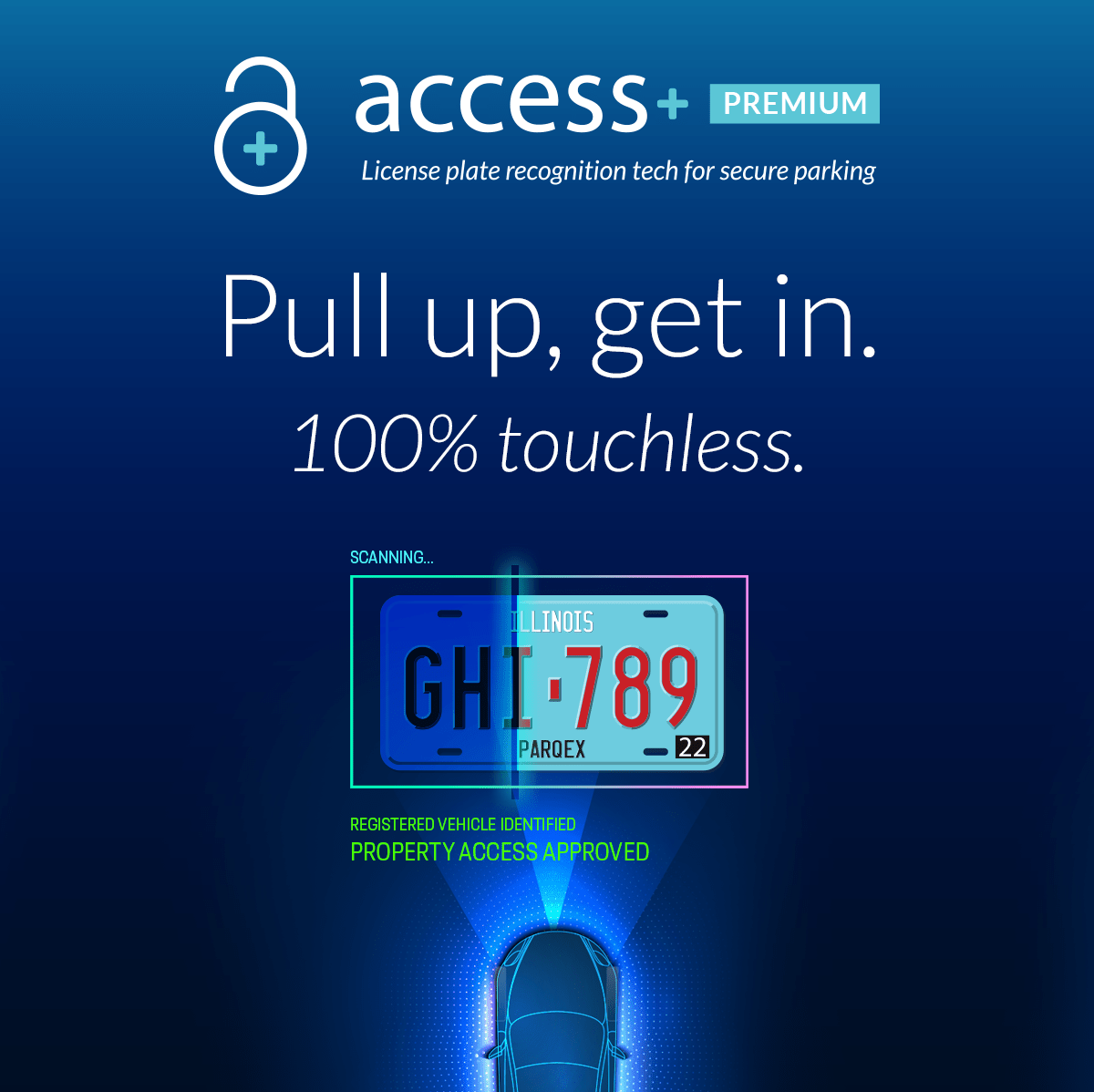
• Automated monitoring of authorized vehicles
• Consistent communication of parking rules
The goal is to create a parking environment where most vehicles are compliant by default, reducing the need for ongoing enforcement.
Why Compliance Is Becoming the Preferred Approach
Many residential properties are shifting from enforcement-driven parking management to compliance-focused systems. While enforcement still plays a role, relying on it as the primary strategy can create unnecessary tension between residents and property management.
A compliance-based approach focuses on making parking rules clear, visible, and easy to follow. When policies are consistently applied and supported by systems that help residents understand where and how they should park, violations tend to decrease naturally.
Compliance systems also improve operational efficiency. When vehicle authorization and guest parking are easy to verify, staff spend less time resolving disputes or responding to complaints about unauthorized vehicles.
Rather than relying on constant patrols or reactive enforcement actions, properties can maintain order through structured systems that make parking policies easier to follow. For many modern residential communities, parking compliance is becoming the foundation of effective parking management.
How Technology Improves Parking Compliance
Modern parking technology helps properties maintain compliance by removing many of the manual processes that historically made enforcement inconsistent.
Several key tools support digital parking compliance.
Digital parking permits
Residents can register vehicles digitally rather than using physical permits. This creates a centralized record of authorized vehicles and makes it easier for property staff to verify compliance.
Guest parking registration
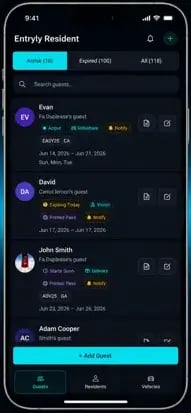
Residents can register guest vehicles in advance using mobile apps or online portals. This allows properties to manage visitor parking more effectively and prevents unauthorized vehicles from occupying guest spaces.
Automated rule enforcement
Digital systems can apply parking policies consistently by tracking how long vehicles remain in certain areas or identifying unauthorized vehicles in restricted spaces.
Real-time visibility
Property managers gain visibility into how parking is actually being used. This data can help identify trends such as visitor parking shortages or unused spaces.
Compliance reporting
Detailed reporting allows management teams to monitor violations, track enforcement actions, and demonstrate policy compliance to property owners or HOA boards.
Together, these tools shift parking enforcement from a reactive process to a proactive operational system.
Frequently Asked Questions About Parking Compliance
Parking compliance refers to the process of ensuring that vehicles using a property’s parking facilities follow established parking rules and policies. This typically includes permit requirements, assigned spaces, guest parking rules, and restricted zones.
Strong parking compliance ensures residents can reliably access the spaces allocated to them. It also reduces conflicts between residents, improves safety, and helps properties maintain consistent operational standards.
Properties can improve parking oversight by clearly communicating rules, implementing consistent enforcement policies, and using digital parking management tools that track vehicle authorization and guest registration.
No. While towing is sometimes necessary for serious violations, many properties improve compliance through digital permits, guest registration systems, and consistent enforcement processes that reduce the need for towing.
Technology provides visibility into parking usage and helps automate enforcement processes. Digital parking systems allow properties to register vehicles, track guest parking, monitor violations, and maintain consistent compliance policies.
Best Practices for Maintaining Parking Compliance
While technology can significantly improve compliance, successful parking management still depends on thoughtful policies and clear communication.
Property managers can strengthen parking policy enforcement by following several best practices.
Clearly communicate parking rules
Residents should understand where they are allowed to park, how guest parking works, and what happens when violations occur. Ambiguous policies often lead to unintentional violations.
Apply rules consistently
Inconsistent enforcement quickly undermines compliance. Residents need confidence that parking policies apply equally across the community.
Simplify guest parking
Visitor parking policies should be easy for residents to follow. If guest registration is overly complicated, residents may ignore the system altogether.
Monitor parking trends
Understanding how parking spaces are actually used can help properties adjust policies when necessary.
Use technology to support enforcement
Digital parking management platforms provide the structure needed to maintain compliance without relying entirely on manual processes.
How ParqEx Supports Parking Compliance
Parking rule enforcement is most effective when properties combine clear policies with technology designed to manage parking operations efficiently.
ParqEx provides a digital parking management platform that helps residential and mixed-use properties maintain parking compliance through features such as:
• Digital resident vehicle registration
• Mobile guest parking management
• Real-time parking visibility
• Violation tracking and reporting
• Automated compliance monitoring
By replacing manual parking processes with a centralized digital system, properties can maintain consistent parking policies while improving the resident experience.
The Future of Parking Compliance
As residential communities become denser and mobility patterns continue to evolve, parking compliance will only become more important.
Properties must manage increasing numbers of vehicles while accommodating deliveries, ride-share services, and short-term visitors.
Maintaining order in these environments requires more than occasional enforcement actions. It requires a structured system that makes parking rules visible, manageable, and enforceable across the entire property.
Digital parking platforms are increasingly becoming the foundation of this system, allowing property managers to shift from reactive enforcement to proactive compliance management.
When parking compliance works well, residents notice something simple: parking just works. And when parking works, the entire property runs more smoothly.
Want to see how digital parking tools can simplify parking compliance? Schedule a ParqEx demo.